Indian Green Cardamom: Grades and Buying Considerations
Published by Assurex International Traders3 min read
The short answer
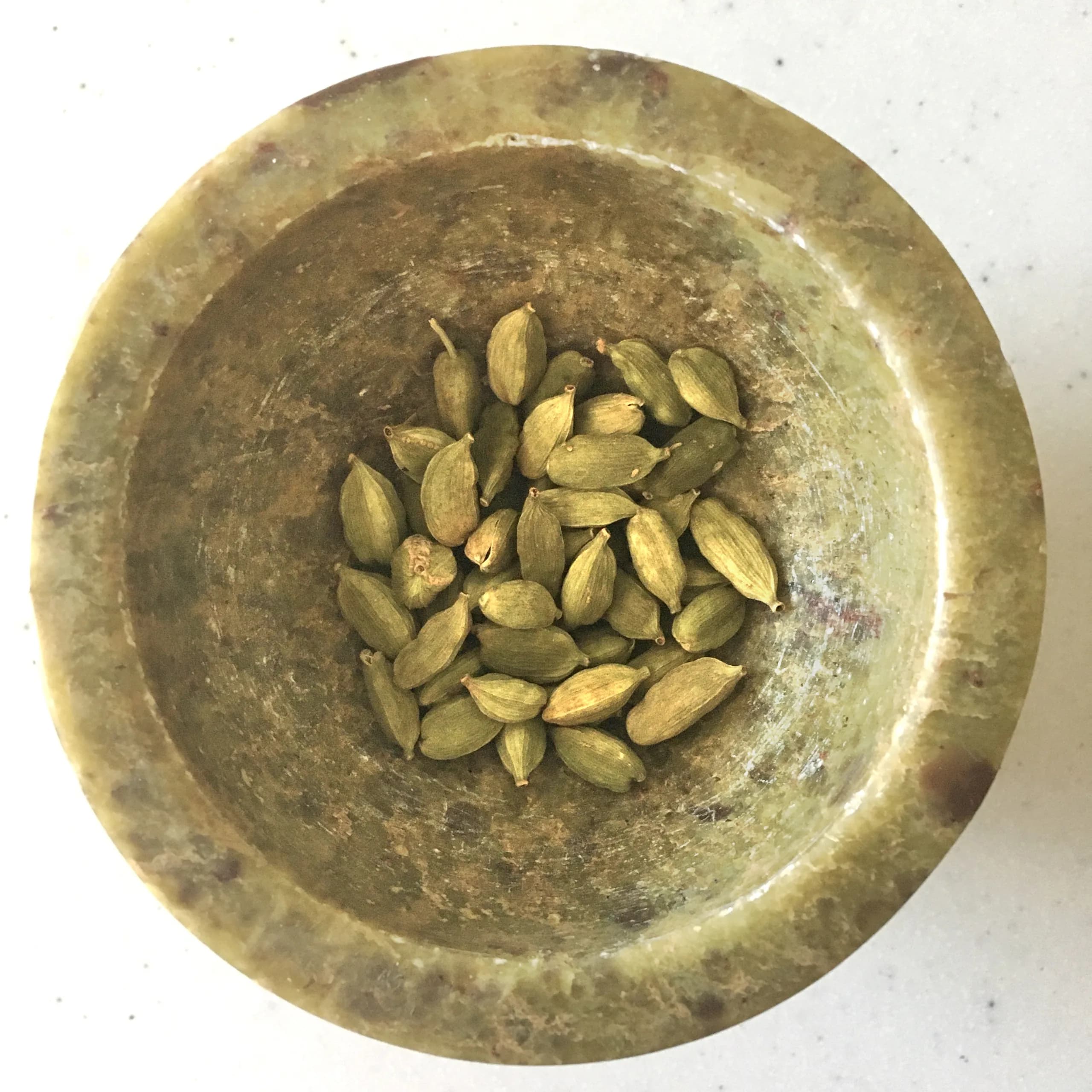
Indian green cardamom is graded mainly by pod size in millimetres and by colour, with litre weight, moisture, split or empty pods and foreign matter as further parameters. Grade names vary between traders, so buyers should translate any grade into measurable limits and agree testing requirements for their market.
Where Indian cardamom comes from
Small green cardamom (Elettaria cardamomum) grows in the shade of forest trees in the Western Ghats. In India, the Idukki district of Kerala is the heart of production, with additional growing areas in Tamil Nadu and Karnataka. Much of India's cardamom is sold through e-auctions conducted under the Spices Board, so prices respond quickly to crop conditions.
The main grading parameters
Pod size
Size is the most visible grade factor. Pods are sorted by sieves with holes measured in millimetres, and trade grades are often described as 6 mm, 7 mm or 8 mm and above. Larger pods generally command higher prices.
Colour
A uniform, deep green colour signals careful harvesting, drying and storage. Pale, yellowish or brownish pods are usually valued lower.
Litre weight
Litre weight — the weight of a litre of pods — indicates how full and well-developed the pods are. Buyers who care about seed content often specify a minimum.
Defects
Specifications often limit split or open pods, empty pods, immature pods and extraneous matter such as stalks.
Grade names vs measurable parameters
Older designations such as "Alleppey Green Extra Bold" are still used in some markets, alongside size-based descriptions. Because grade names are not used identically by every trader, write the actual parameters into your contract:
| Parameter | Example of how to specify |
|---|---|
| Size | Retained on 7 mm sieve, max 5% smaller |
| Colour | Uniform green, max % pale or brown |
| Litre weight | Minimum grams per litre |
| Moisture | Maximum % |
| Defects | Max % split, empty and immature pods |
The example wording is illustrative; set limits that suit your market.
Testing
Spices are frequently tested at import for pesticide residues and other contaminants. If your market applies specific limits, share them before contracting and agree whether pre-shipment testing by an accredited laboratory is required.
Packing
Cardamom is sensitive to moisture and light. Lined bags or cartons with a moisture barrier are commonly used for bulk shipments.
Next steps
See our green cardamom page or request a cardamom quotation.
Sources and Further Reading
This article is general information for commercial buyers. It is not legal, customs, tax or financial advice. Regulations change — confirm current requirements with the relevant authority.