 01
Vadi Matta Rice
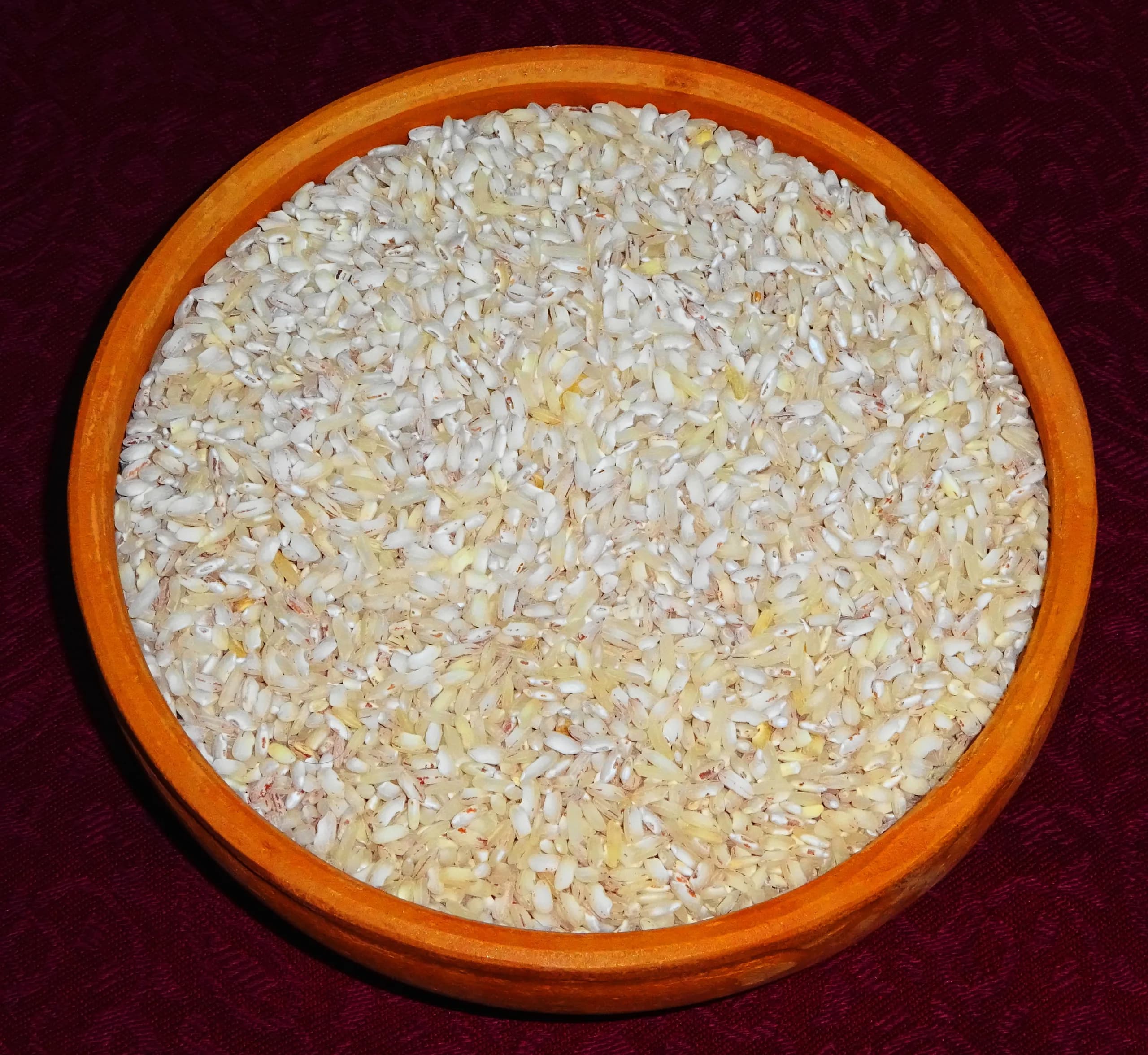
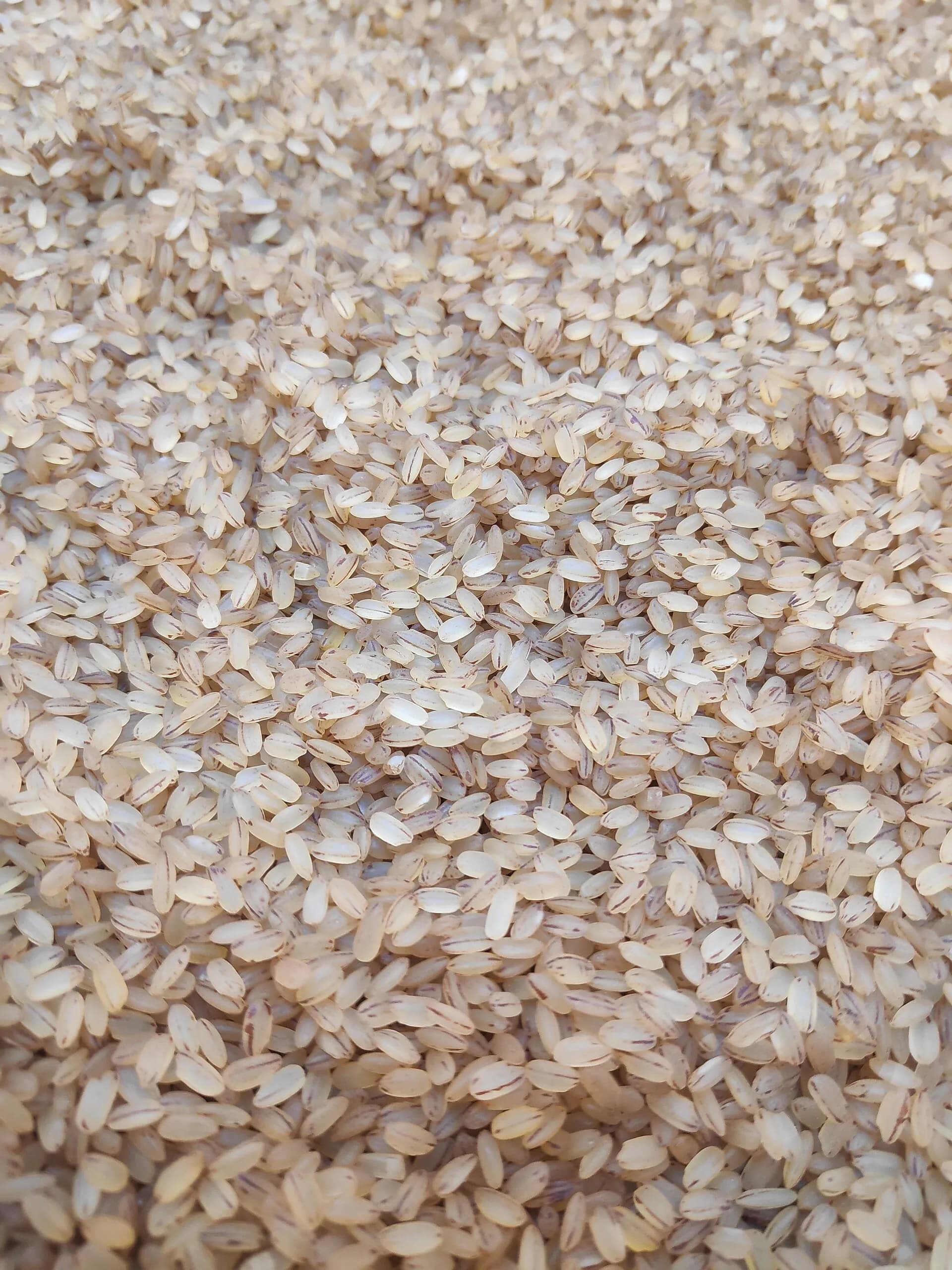
Kerala's reddish, bold-grained parboiled rice with an earthy flavour — a staple for Kerala-style meals at home and abroad.
View Vadi Matta RiceGlobal TradeTrusted PartnershipSustainable Growth

Rice · Five varieties for enquiry
India grows and exports a wide range of rice. We handle enquiries for five varieties that serve very different markets — from Kerala's red Vadi Matta to long-grain Basmati — and confirm availability, grade, processing and packaging for every request.
Request Product Specifications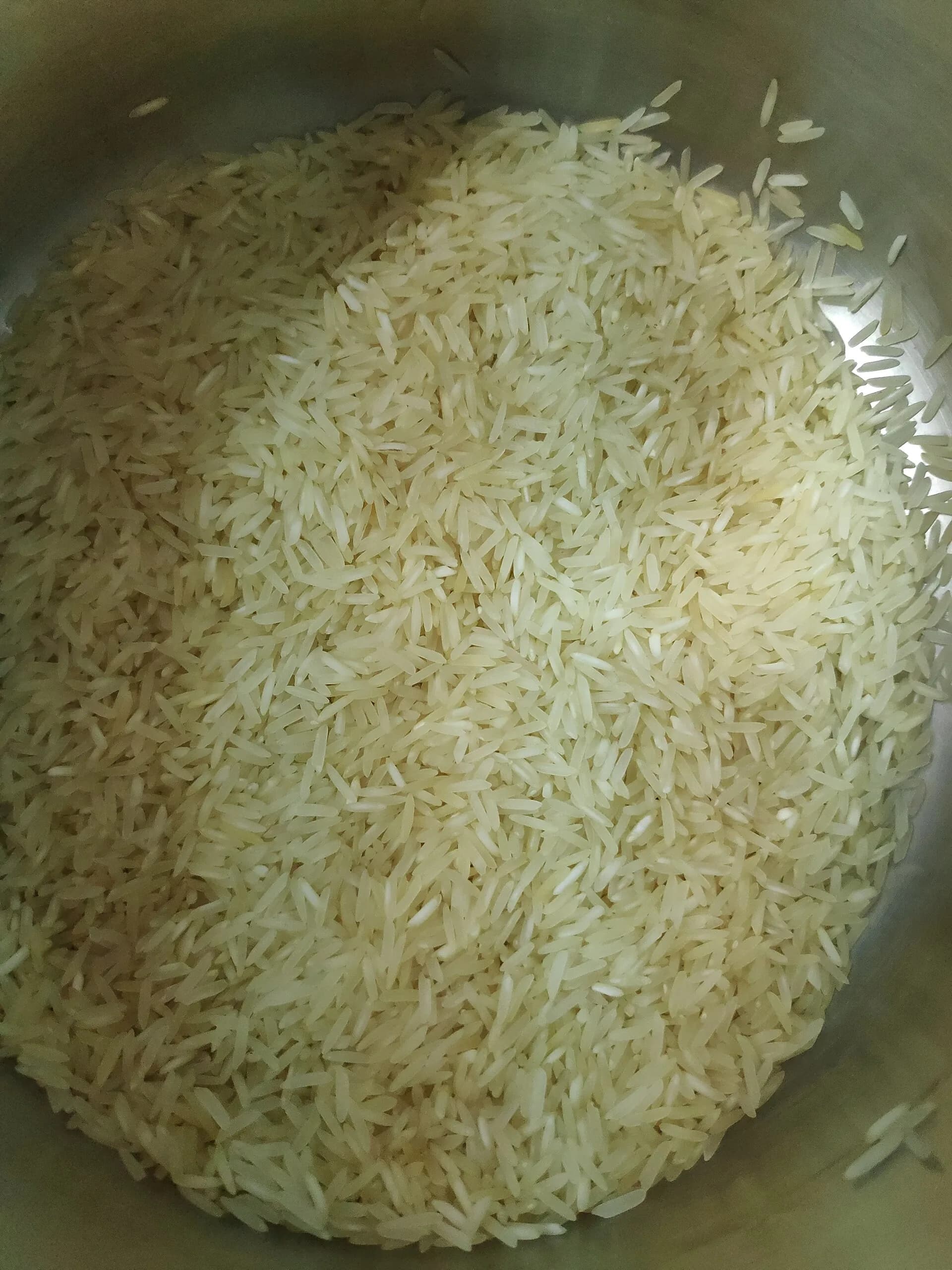
At a glance
01
Each variety below has its own detailed page with characteristics, specifications and FAQs. Availability, grade, processing, packaging and quantities are confirmed for each enquiry — no variety is assumed to be in stock at all times.
01Kerala's reddish, bold-grained parboiled rice with an earthy flavour — a staple for Kerala-style meals at home and abroad.
View Vadi Matta Rice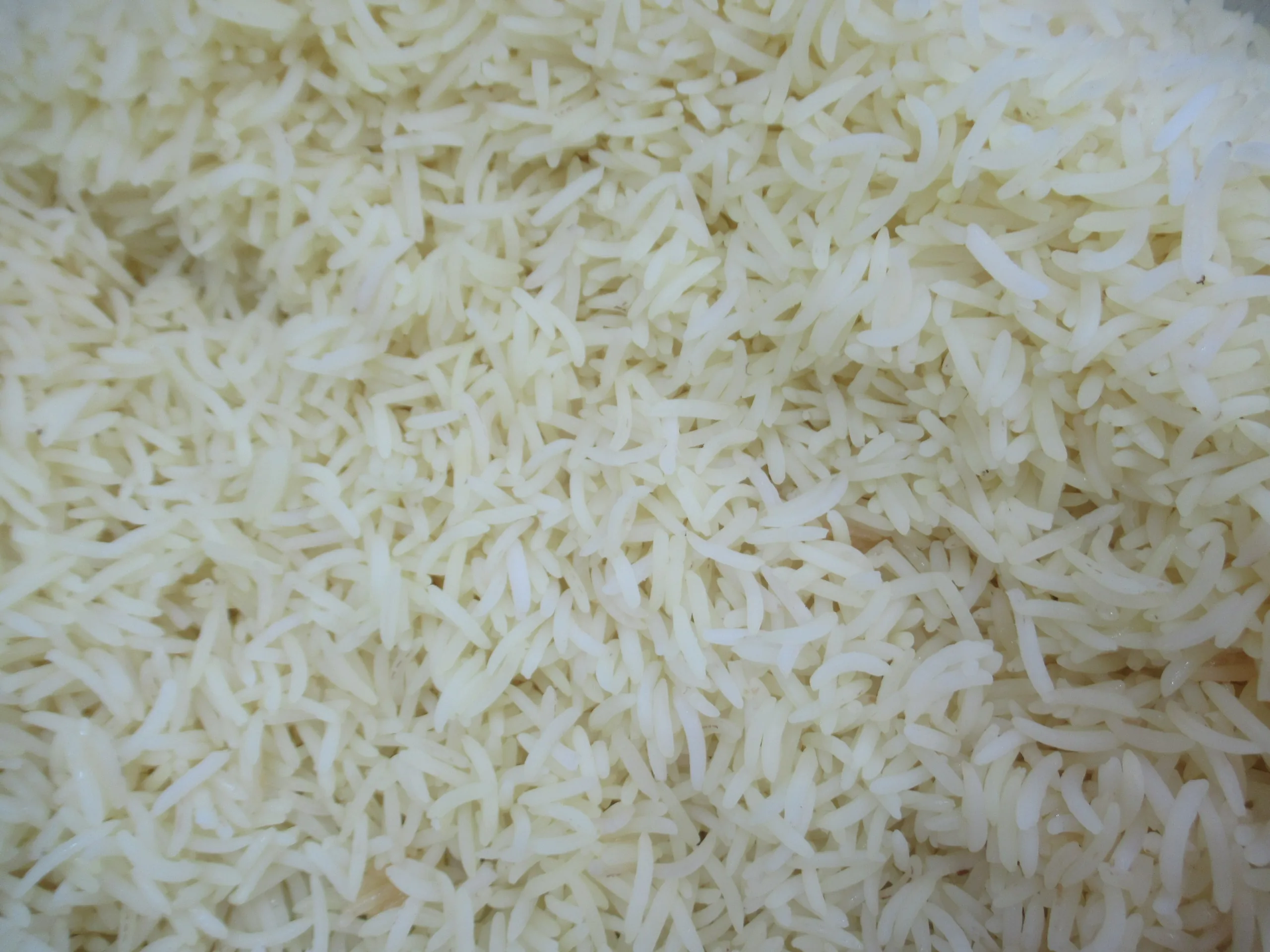 02
Long, slender aromatic grains that lengthen on cooking. Variety, processing and grade confirmed for each enquiry.
View Basmati Rice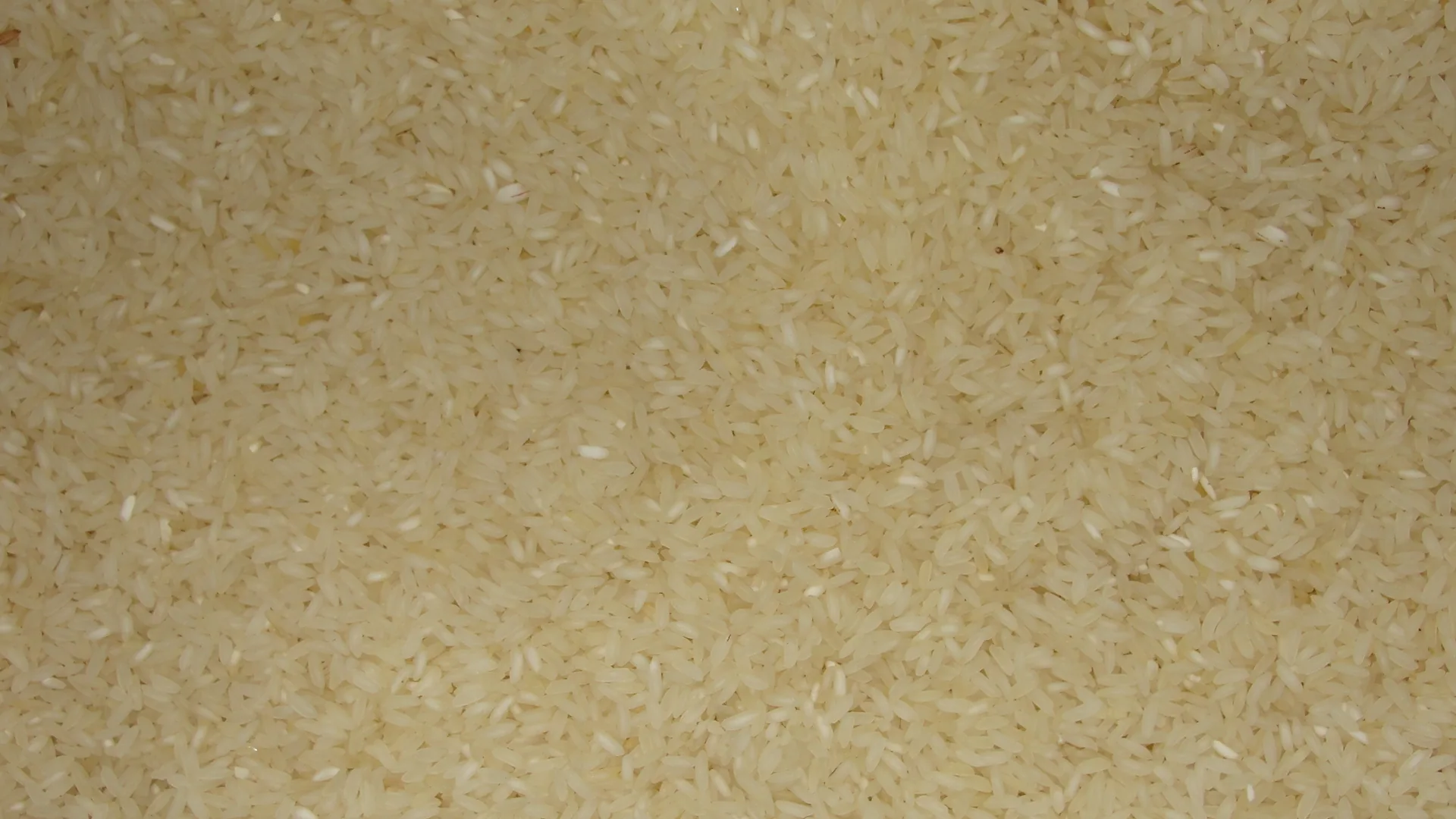 03
A widely traded non-Basmati long-grain rice, offered raw or parboiled in grades defined by broken percentage.
View IR 64 Rice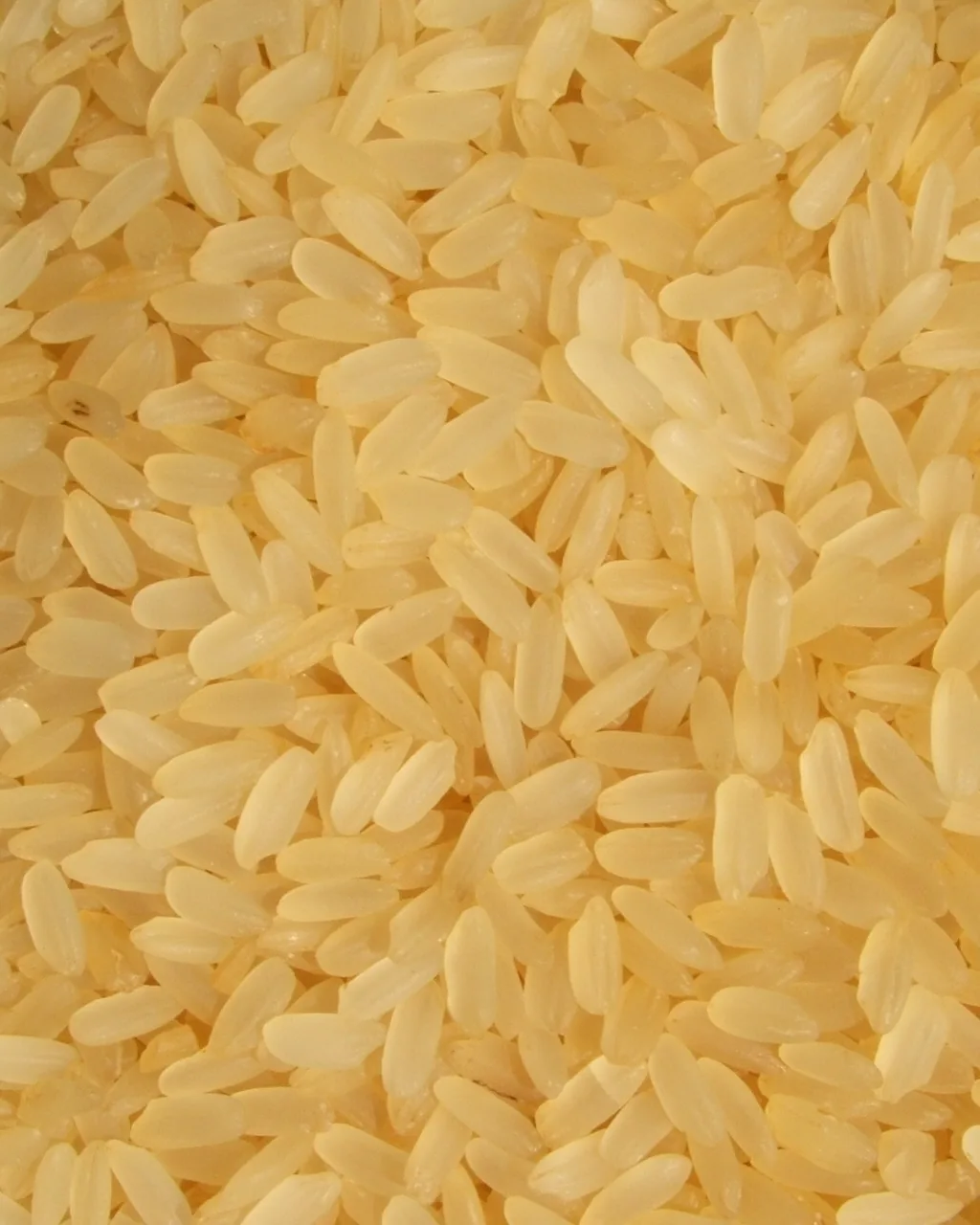 04
Rice soaked, steamed and dried before milling for firm, separate grains. Variety, grade and moisture confirmed per order.
View Parboiled Rice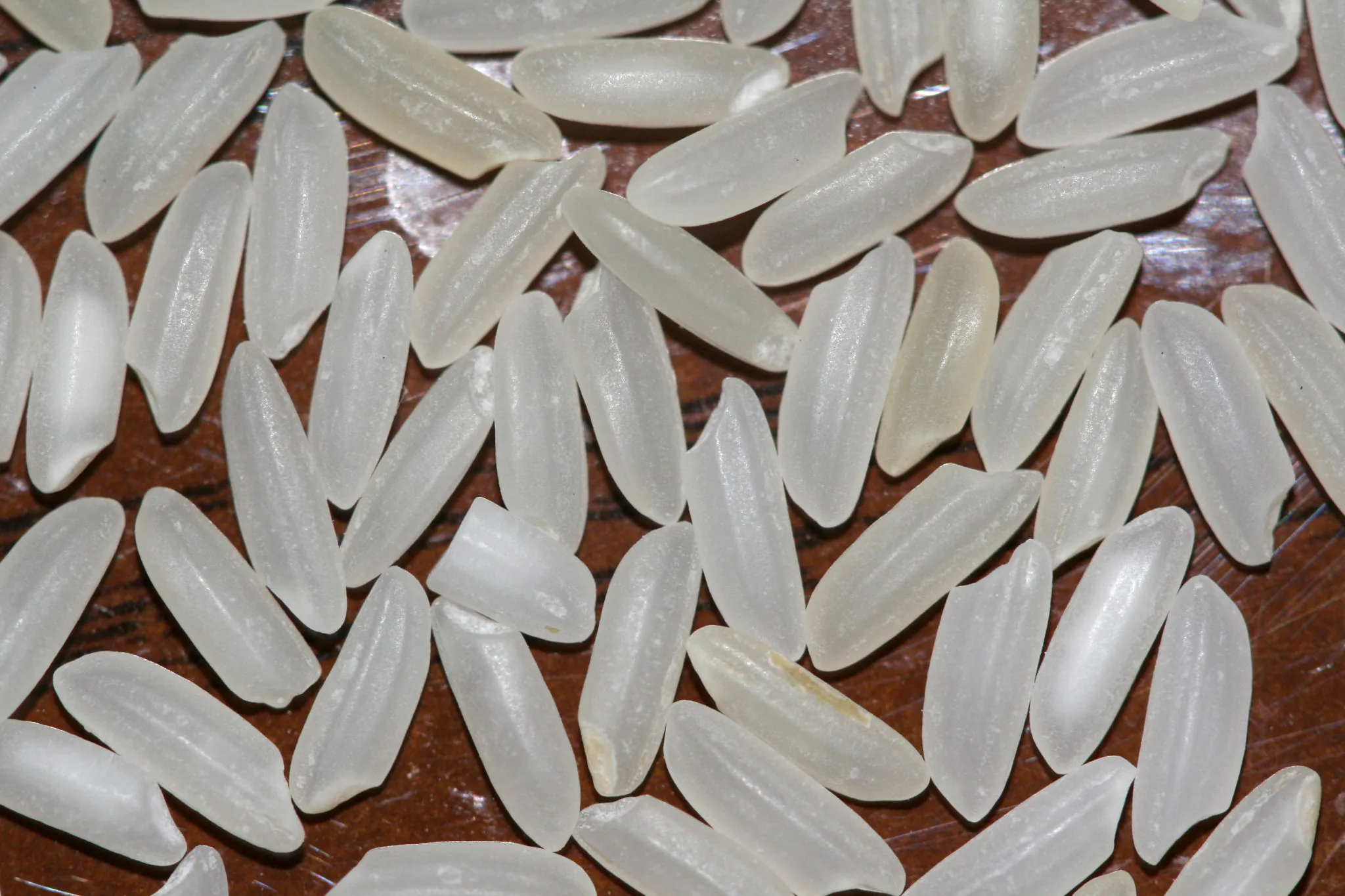 05
A lightweight, medium-grain South Indian rice for everyday meals, offered raw or steamed.
View Sona Masoori Rice02
A red rice from Kerala with a reddish bran layer, bold grain and earthy flavour, usually parboiled. It is a daily staple in Kerala and in demand among South Indian communities overseas. Explore Vadi Matta rice.
03
Long, slender, aromatic grains that lengthen significantly on cooking — the preferred rice for biryani and pulao. Offered as raw, steam or sella depending on availability. Explore Basmati rice.
04
A widely traded non-Basmati long-grain rice, offered raw or parboiled in grades defined by broken percentage. A practical, value-oriented everyday rice. Explore IR 64 rice.
05
Rice soaked, steamed and dried in the husk before milling, for firm, separate grains that suit catering and large-scale cooking. Explore parboiled rice.
06
A lightweight, medium-grain South Indian rice with a mild aroma, used for everyday meals. Offered raw or steamed. Explore Sona Masoori rice.
07
The right rice depends on who will cook it and how:
| Variety | Grain | Typical processing | Common use |
|---|---|---|---|
| Vadi Matta | Bold, reddish | Parboiled | Kerala-style meals, kanji |
| Basmati | Extra-long, slender, aromatic | Raw, steam, sella | Biryani, pulao, premium retail |
| IR 64 | Long, non-aromatic | Raw or parboiled | Everyday rice, catering, wholesale |
| Parboiled (various) | Depends on variety | Parboiled | Catering, African and Middle Eastern markets |
| Sona Masoori | Medium, lightweight | Raw or steamed | Everyday South Indian meals |
This table is a general guide. Market preferences vary, and specifications are always confirmed per order. Compare two popular choices in Vadi Matta vs Basmati.
08
Rice can be discussed in bulk woven polypropylene bags, jute or non-woven bags, and printed retail packs. Private-label packing depends on the miller's capability, minimum print runs, artwork approval and destination labelling rules. See packaging and private-label options.
09
Rice descriptions like "premium" or "grade A" mean little on their own. These are the parameters to agree in writing before contracting:
| Parameter | What to confirm |
|---|---|
| Variety and processing | Variety name plus raw, steam, parboiled or sella processing. |
| Grain length | Average length of whole grains (important for Basmati and long-grain rice). |
| Broken percentage | Maximum broken grains by weight. |
| Moisture | Maximum moisture content. |
| Foreign matter and defects | Stones, paddy, chalky, damaged or discoloured grains. |
| Packing | Bag type and weight, retail pack sizes, private-label artwork. |
| Testing | Pesticide residue and other food-safety tests for your market. |
Enquire
Tell us the variety, processing, grade, quantity, packing, destination and trade term. We confirm availability and prepare a written quotation.
Buyer questions
Start from how your customers cook. Basmati suits biryani and pulao; Vadi Matta suits Kerala-style meals; Sona Masoori suits everyday South Indian meals; IR 64 and parboiled rice suit value-oriented and catering channels. See choosing rice for your market.
The share of broken grains by weight, measured by an agreed method. Lower broken percentages are higher grades and usually cost more.
As the average length of whole uncooked grains in millimetres. It matters most for Basmati and other long-grain rice.
Moisture limits are agreed between buyer and seller, usually following the buyer's market standard. Lower moisture supports safer storage.
Raw rice is milled without heat treatment; steamed rice is lightly steamed before milling; parboiled rice is soaked, steamed and dried in the husk before milling, giving the firmest grain.
Bulk woven polypropylene bags, jute or non-woven bags and retail packs can be discussed. Bag weights and materials are confirmed per order.
Private-label packing can be discussed, subject to miller capability, minimum print runs, artwork approval and destination labelling rules.
No fixed minimum is published. Quantities depend on variety, packing and supplier availability, and are confirmed in the quotation.
Mixed shipments can be discussed. Whether they are practical depends on the suppliers involved, packing and documentation.
Typically a commercial invoice, packing list, transport document, certificate of origin and phytosanitary certificate, plus any destination-specific certificates. See export documentation.
Explore further
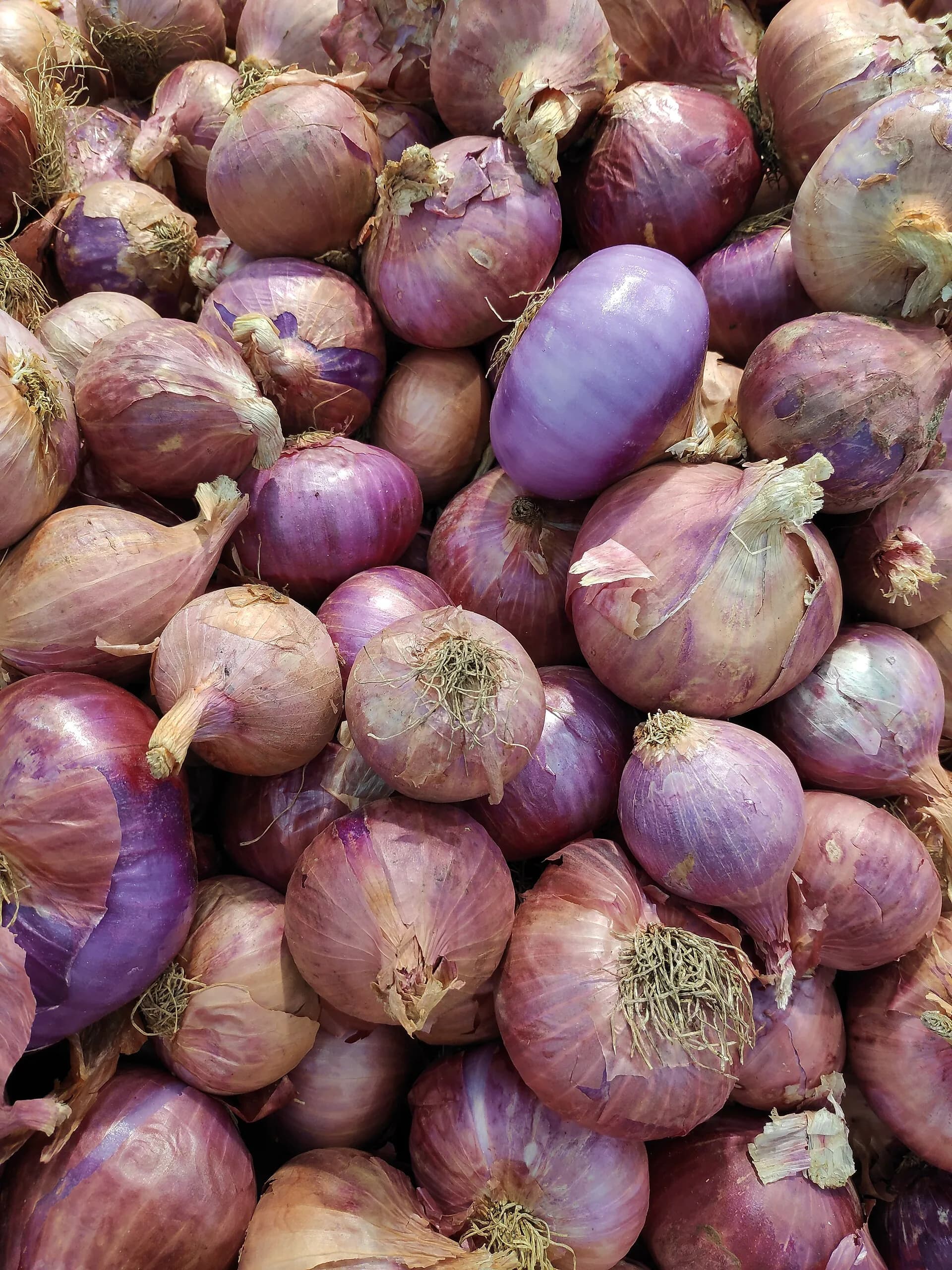
Red onions graded by size and condition, packed in mesh bags for wholesale and import buyers. Grade, packing and shipment terms agreed per order.
View Onions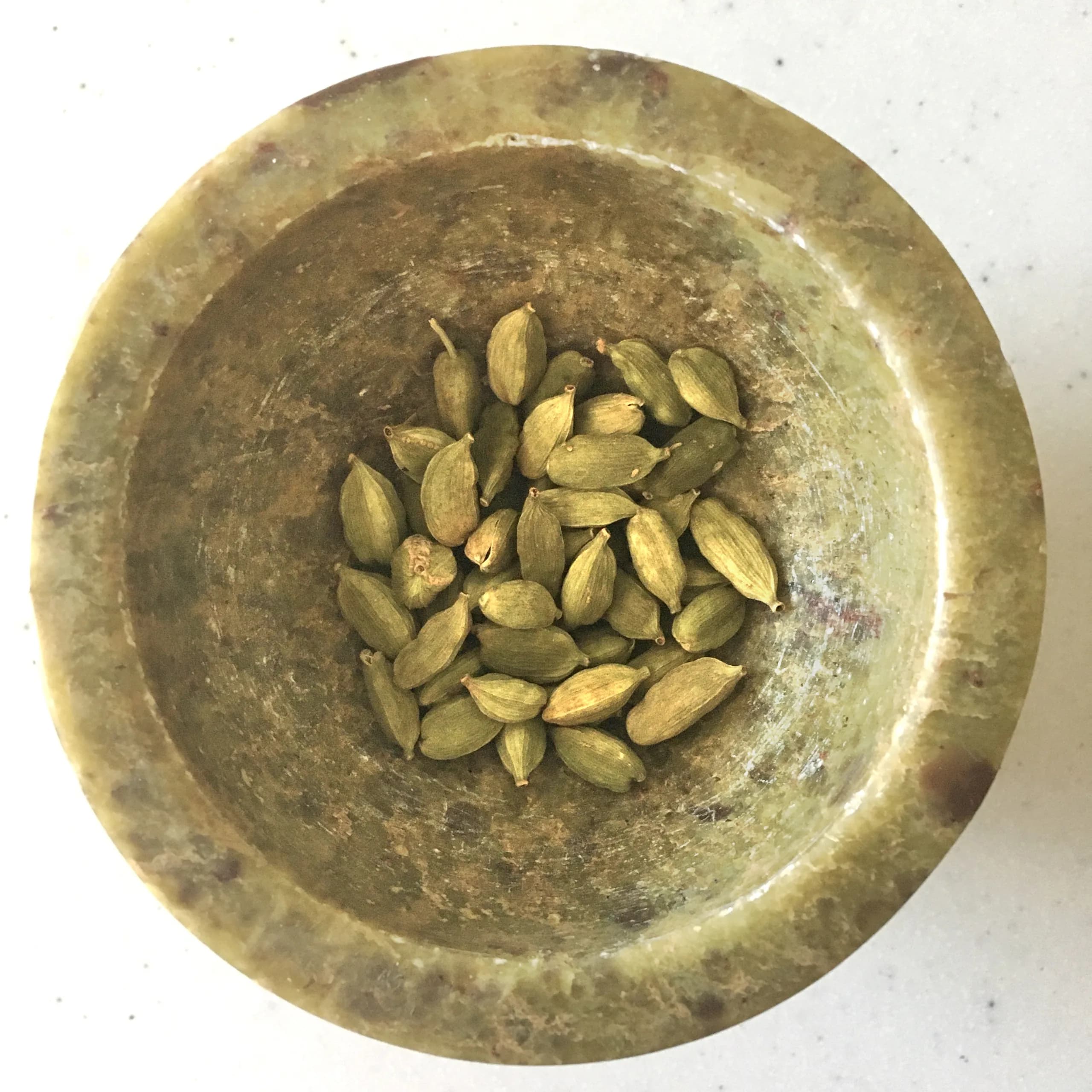
Whole green cardamom pods traded by size and colour. Grade, moisture and packing agreed for each bulk enquiry.
View CardamomInsights
Rice · 3 min read
Two very different Indian rices. How they compare on grain, processing, flavour, use and specification — and how to choose.
Quality & Packaging · 3 min read
Two numbers shape the value of almost every rice contract. What they mean, why they matter and how to specify them properly.
Quality & Packaging · 3 min read
From 50 kg woven bags to printed retail packs — the packaging decisions rice buyers face and what to confirm with the packer.