Rice Moisture and Broken Percentage: Why Specifications Matter
Published by Assurex International Traders3 min read
The short answer
Moisture content affects rice storage safety, weight and cooking; broken percentage affects appearance, cooking quality and price. Both should be specified as maximum limits with an agreed measurement method, alongside parameters such as foreign matter and damaged grains, and checked by sampling or inspection where the contract requires it.
Why these two parameters matter
When importers compare rice offers, two figures appear in almost every specification: moisture and broken percentage. They affect how the rice stores, how it cooks, how it looks on the shelf — and what it costs.
Moisture content
Moisture is the percentage of water in the rice by weight.
Why it matters
- Storage safety. Higher moisture increases the risk of mould, insect activity and quality deterioration, especially in warm, humid conditions or long voyages.
- Weight. Water is weight. A lot with higher moisture delivers less dry rice per tonne.
- Cooking. Very moist or very dry rice can behave differently in the pot.
How to specify it
State a maximum moisture percentage and the method or instrument used to measure it. Agree whether moisture is measured at loading, at destination, or both. Many buyers follow the standard used in their own market.
Broken percentage
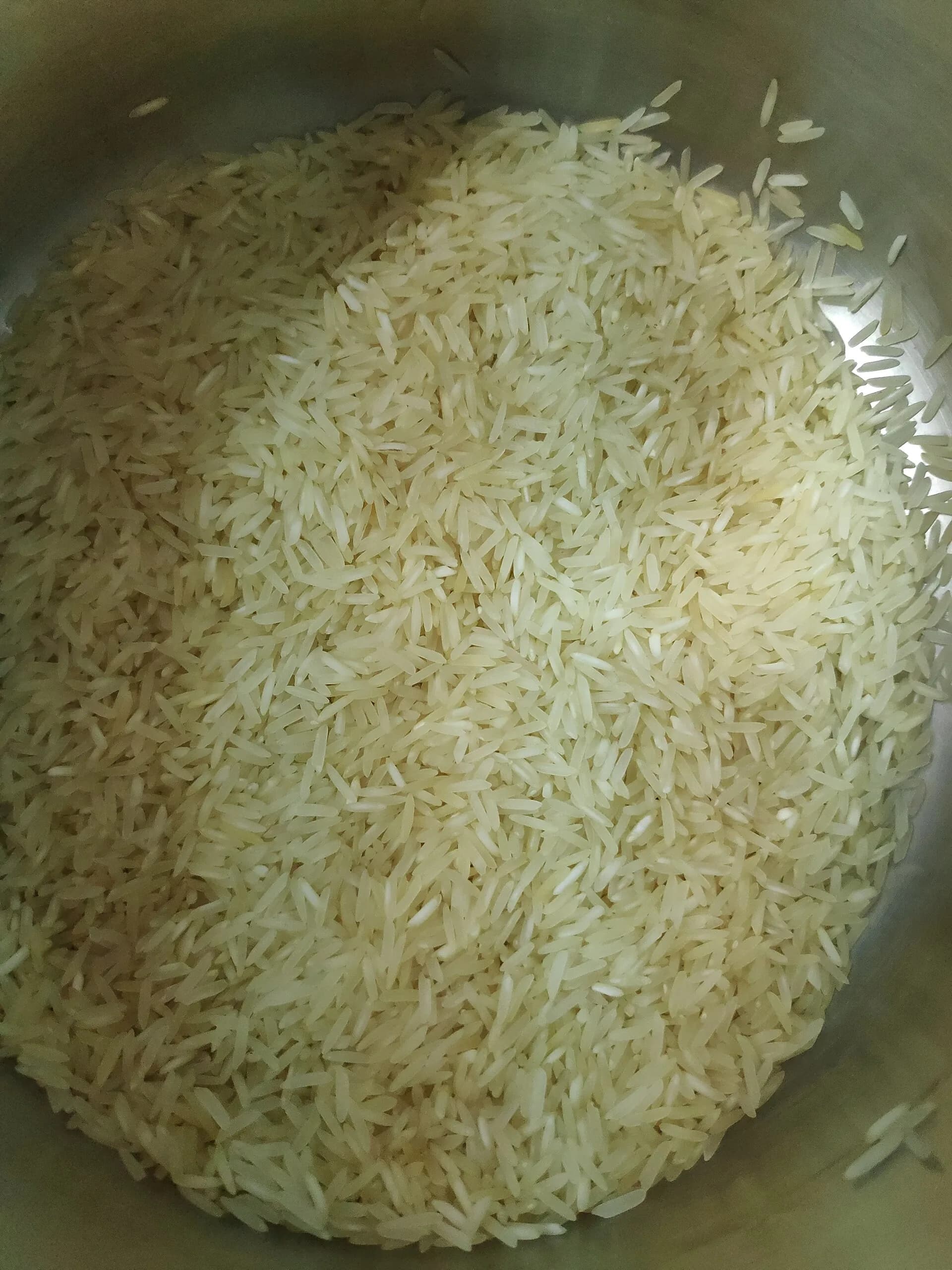
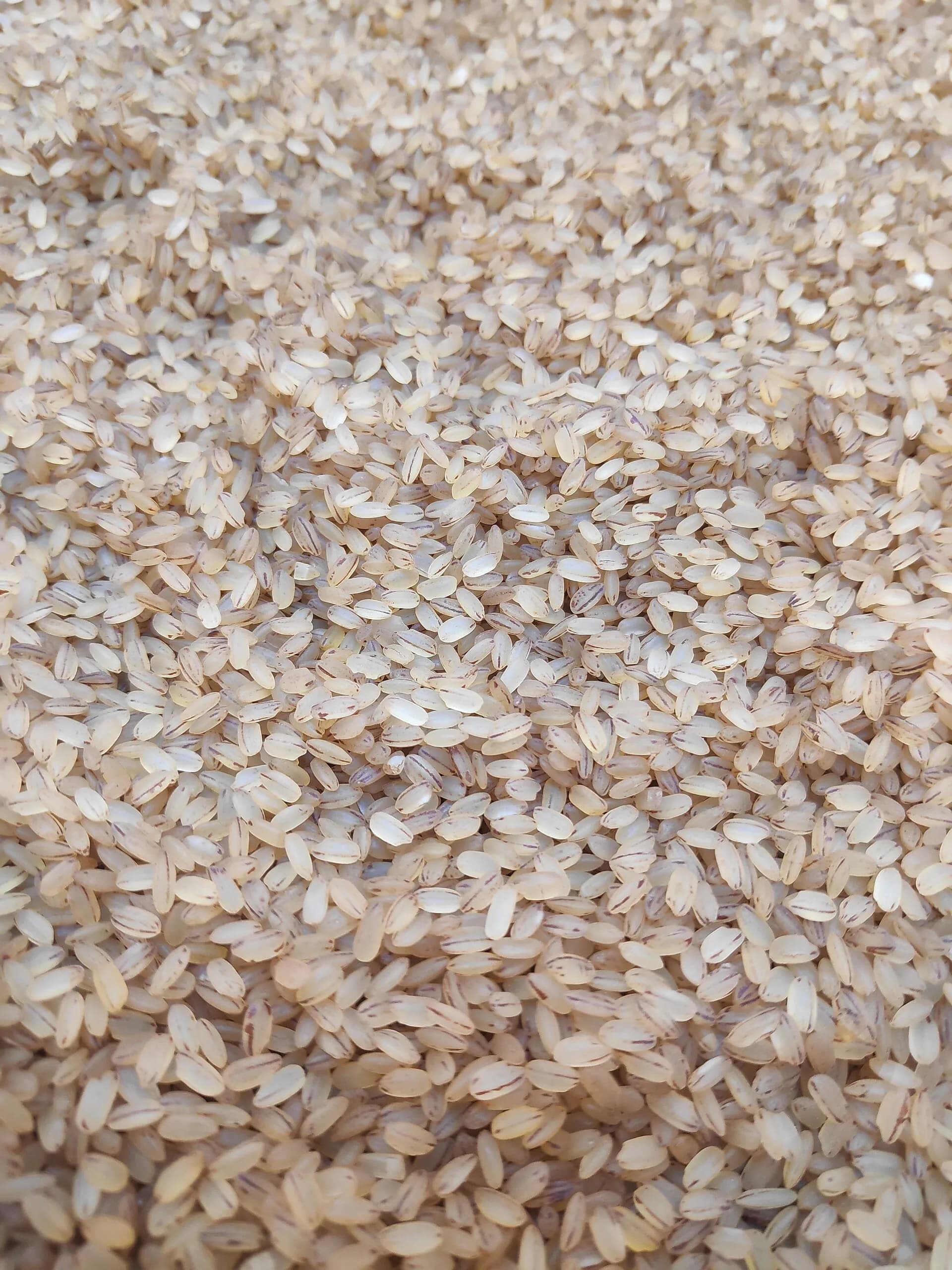
Broken percentage is the share of broken grains by weight. What counts as "broken" is usually defined by grain length relative to a whole grain — for example, pieces shorter than three-quarters of an average whole grain — so the definition must be agreed.
Why it matters
- Price. Rice is often graded by broken percentage — for example 5%, 15% or 25% broken — with lower percentages priced higher.
- Cooking. Broken grains cook faster and release more starch, making rice stickier.
- Appearance. Retail customers notice broken grains immediately.
How to specify it
State the maximum broken percentage, the definition of a broken grain, and the sampling and test method.
Other parameters to agree alongside them
| Parameter | What to agree |
|---|---|
| Foreign matter | Maximum stones, husk, paddy, dust |
| Damaged / discoloured grains | Maximum percentage |
| Chalky grains | Maximum percentage (important for some markets) |
| Grain length | Average length of whole grains, for long-grain rice |
| Residues | Pesticide limits applied in your market |
Turning specifications into a contract
A specification only protects you if it is measurable and enforceable:
- Write each parameter as a limit with a unit.
- Agree the measurement method.
- Agree who samples, where and when.
- Agree what happens if a lot falls outside the specification.
Independent pre-shipment inspection by a third-party agency is often used to check these parameters before goods are loaded.
A practical example
Illustrative example only: a distributor asking for "good quality long-grain rice" may receive offers that differ by several percentage points of broken grains. Asking instead for "long-grain parboiled rice, maximum 5% broken, maximum 14% moisture, maximum 0.1% foreign matter" makes offers comparable — the figures here are for illustration and should be replaced with your own market's requirements.
Next steps
See how these parameters apply to IR 64, parboiled rice and Vadi Matta, or read what to include in an RFQ.
Frequently Asked Questions
Is lower moisture always better?
Within a sensible range, lower moisture supports safer storage. Over-dried rice can become brittle and break more easily, so limits are usually set as a maximum suited to the product and route.
Who measures broken percentage?
It can be measured by the miller, by the buyer on arrival, or by an independent inspection agency before shipment — as agreed in the contract.