Vadi Matta Rice: Characteristics, Uses and Buyer Considerations
Published by Assurex International Traders3 min read
The short answer
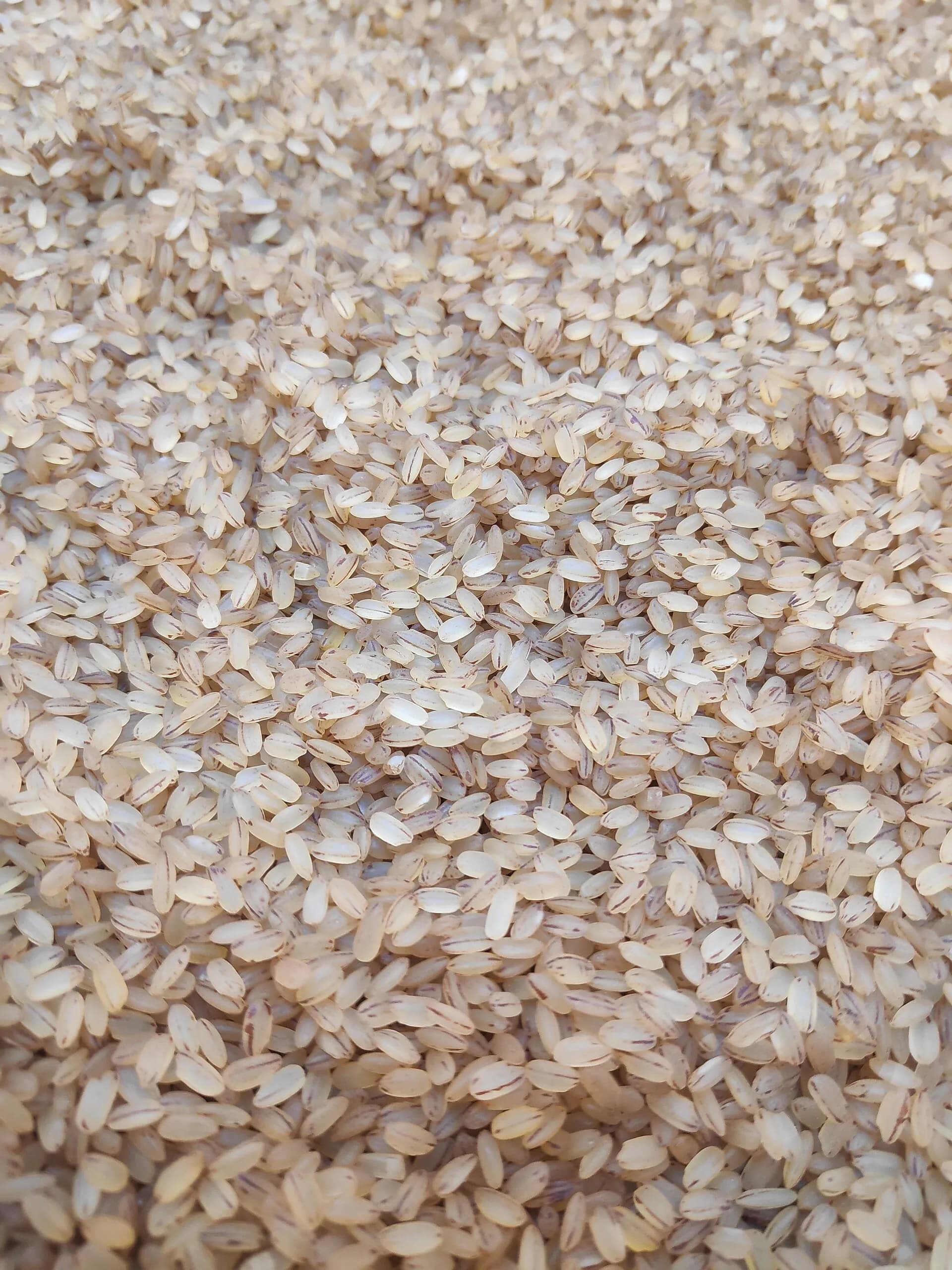
Vadi Matta rice is a Kerala red rice with a reddish bran layer and an elongated, bold grain, usually parboiled before milling. It cooks into firm, separate grains with an earthy flavour and is a staple for Kerala-style meals. Buyers should specify grain form, colour and degree of polish, moisture, broken percentage, foreign matter and residue testing.
What is Vadi Matta rice?
Matta rice is a red rice traditionally grown in Kerala, with the Palakkad region particularly associated with it. Its outer bran layer — the pericarp — is reddish, and that colour is partly retained after milling. Matta rice is usually parboiled, which means the paddy is soaked, steamed and dried before it is milled.
Within Matta rice, the trade distinguishes two grain forms:
- Vadi Matta — the more elongated grain form ("vadi" means stick in Malayalam)
- Unda Matta — the rounder, shorter form ("unda" means ball)
Both are Matta rice, and both are eaten widely in Kerala. Distributors usually know which form their customers prefer.
How does Vadi Matta rice cook and taste?
Parboiling gives Vadi Matta a firm texture: grains stay separate and slightly chewy after cooking, with an earthy, nutty flavour that pairs well with Kerala curries. It generally needs longer soaking and cooking than white rice — a point worth printing on retail packs for customers outside Kerala.
Common uses
- everyday meals served with sambar, fish curry or vegetable curries
- kanji, a rice gruel traditionally eaten in Kerala
- restaurant and catering menus serving Kerala and South Indian food
Who buys Vadi Matta rice?
Demand outside India is driven largely by Kerala and wider South Indian communities, particularly in the Gulf, and by ethnic grocery distributors, supermarkets with South Asian ranges, and restaurants. Because it is a staple rather than a speciality, buyers usually look for consistent quality from shipment to shipment.
What should buyers specify?
Two lots sold simply as "Matta rice" can differ noticeably. Before ordering, agree these parameters in writing:
| Parameter | Why it matters |
|---|---|
| Grain form | Vadi (elongated) or Unda (round) |
| Colour and degree of polish | Determines how red the rice looks and how it cooks |
| Moisture | Affects storage safety and weight |
| Broken percentage | Affects appearance, cooking and price |
| Foreign matter | Stones, husk and paddy reduce quality |
| Pesticide residues | Required by many destination markets |
Read more about moisture and broken percentage and why they matter.
A note on "Palakkadan Matta"
"Palakkadan Matta" is a registered geographical indication in India. If you intend to market rice under that name, ask your supplier for documentation supporting the claim for your specific lot. A general description such as "Kerala Matta rice" makes no such claim.
Packaging and private label
Vadi Matta can be discussed in bulk woven polypropylene bags for wholesale or repacking, or in retail packs. Private-label packs depend on the packer's capability, minimum print runs and artwork approval, and labels must follow the rules of the destination market. See packaging and private-label options.
Export policy
India's rice export policy has changed several times in recent years, including measures affecting certain non-Basmati categories. Always check the policy that applies at the time of contracting — a reliable supplier will confirm this as part of the quotation.
Next steps
If you are planning to buy, start with a clear specification and quantity. Our Vadi Matta rice page lists the parameters we confirm for every enquiry, and you can request a quotation directly.
Frequently Asked Questions
Is Vadi Matta rice the same as brown rice?
No. Vadi Matta is a red-pericarp rice that is usually parboiled and partly polished. Brown rice is any rice with its bran layer left on; it can come from many varieties.
Why does Matta rice take longer to cook?
Parboiling hardens the grain and some bran is retained, so it absorbs water more slowly than polished white rice.
Sources and Further Reading
- APEDA — Agricultural and Processed Food Products Export Development Authority
- Directorate General of Foreign Trade (export policy)
This article is general information for commercial buyers. It is not legal, customs, tax or financial advice. Regulations change — confirm current requirements with the relevant authority.