Vadi Matta Rice vs Basmati Rice: Key Differences
Published by Assurex International Traders3 min read
The short answer
Vadi Matta is a bold, reddish Kerala rice that is usually parboiled and has an earthy flavour; Basmati is an extra-long, slender, aromatic rice that lengthens on cooking. They serve different dishes and customers: Vadi Matta for Kerala-style everyday meals, Basmati for biryani, pulao and premium retail. Buyers specify them on different parameters.
The short answer
Vadi Matta and Basmati are not substitutes for each other. They differ in grain, colour, processing, flavour and use — and the customers who buy them usually know exactly which one they want.
Side-by-side comparison
| Vadi Matta | Basmati | |
|---|---|---|
| Origin | Kerala | Indo-Gangetic plains |
| Grain | Bold, elongated, coarse | Extra-long, slender |
| Colour | Reddish-brown | Creamy white (raw) to golden (sella) |
| Typical processing | Parboiled | Raw, steam or sella |
| Aroma | Mild, earthy | Distinctive, aromatic |
| Cooked texture | Firm, separate, slightly chewy | Fluffy, separate, lengthened |
| Typical dishes | Kerala meals with curries, kanji | Biryani, pulao, premium plain rice |
Grain and appearance
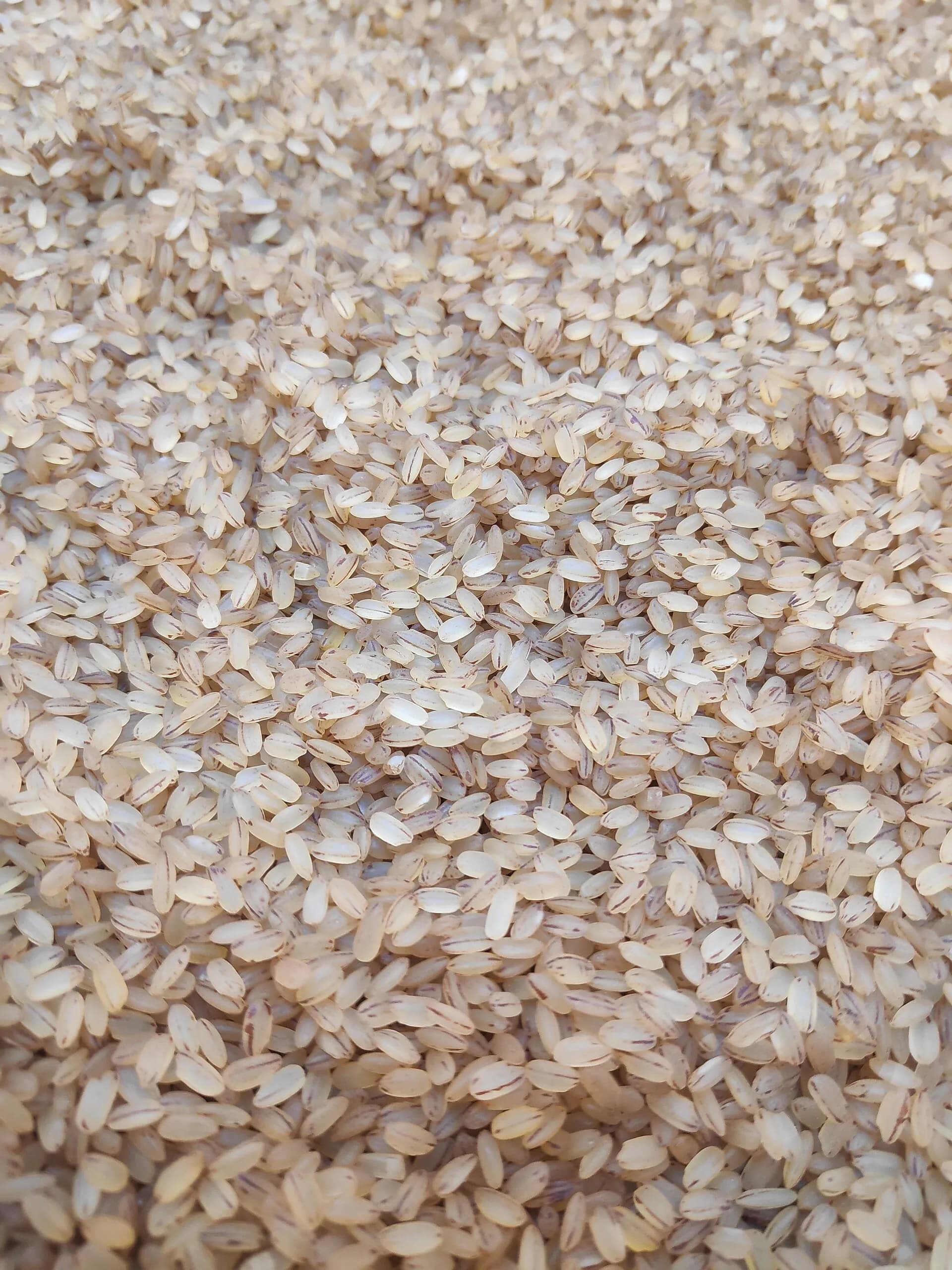
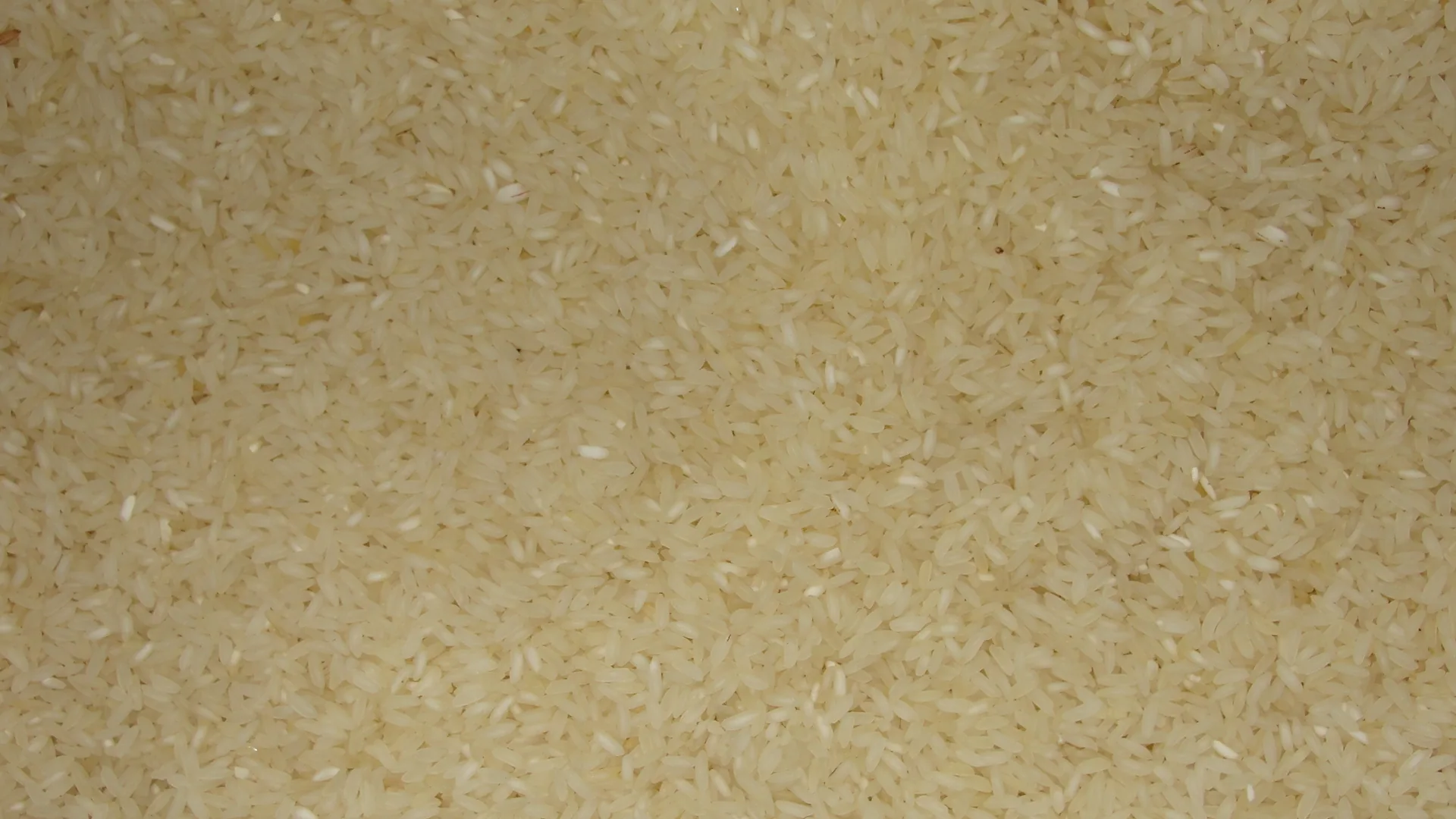
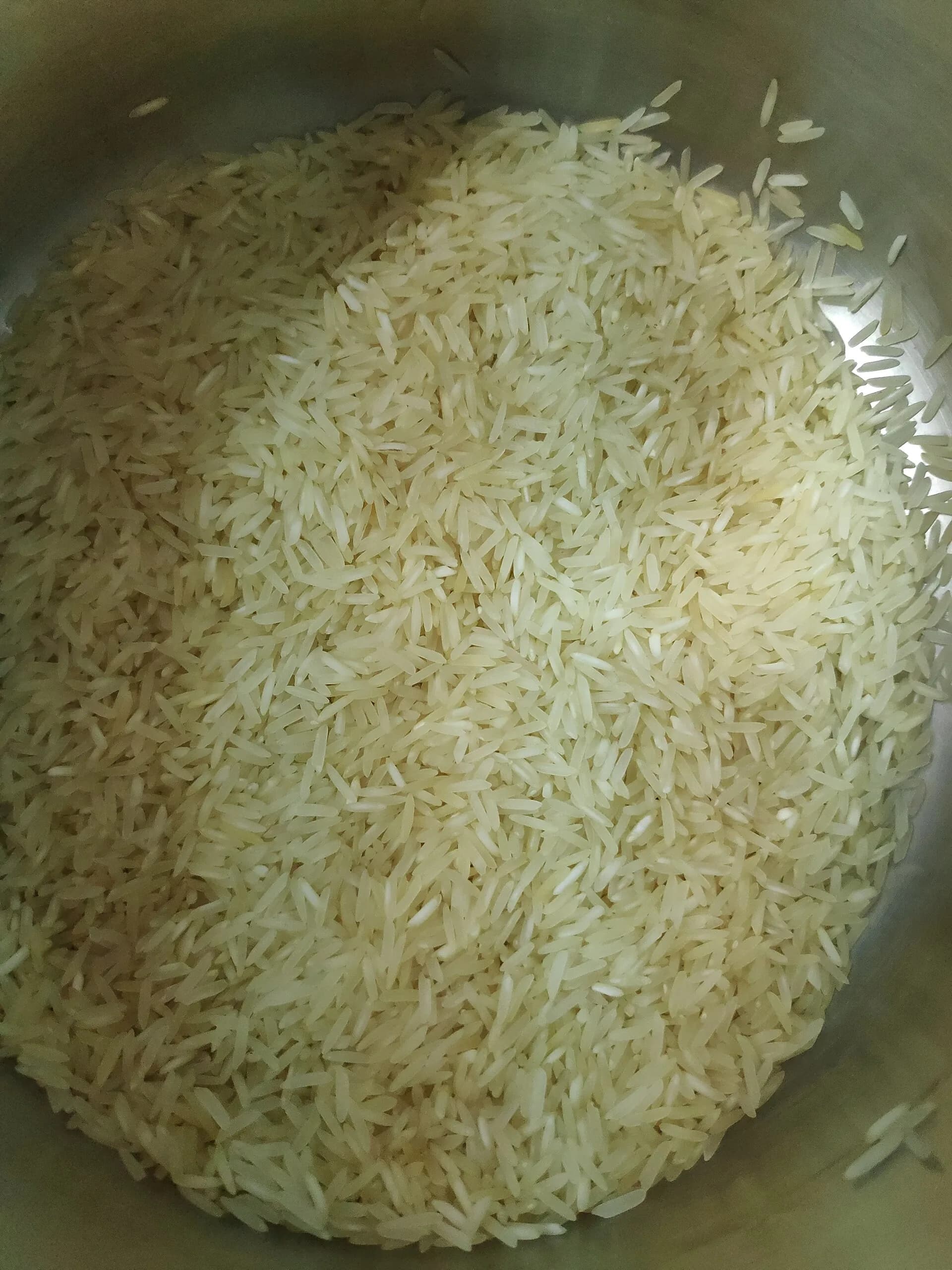
Vadi Matta grains are bold and coarse, with a reddish bran layer retained to varying degrees depending on polish. Basmati grains are long and slender; buyers often specify an average grain length in millimetres, and the best lots show strong elongation when cooked.
Processing
Matta rice is usually parboiled. Basmati is offered in several forms:
- raw — the most aromatic, creamy-white form
- steam — lightly steamed before milling for firmer grains
- sella — fully parboiled, very firm and separate
See what parboiling does to rice.
Flavour and cooking
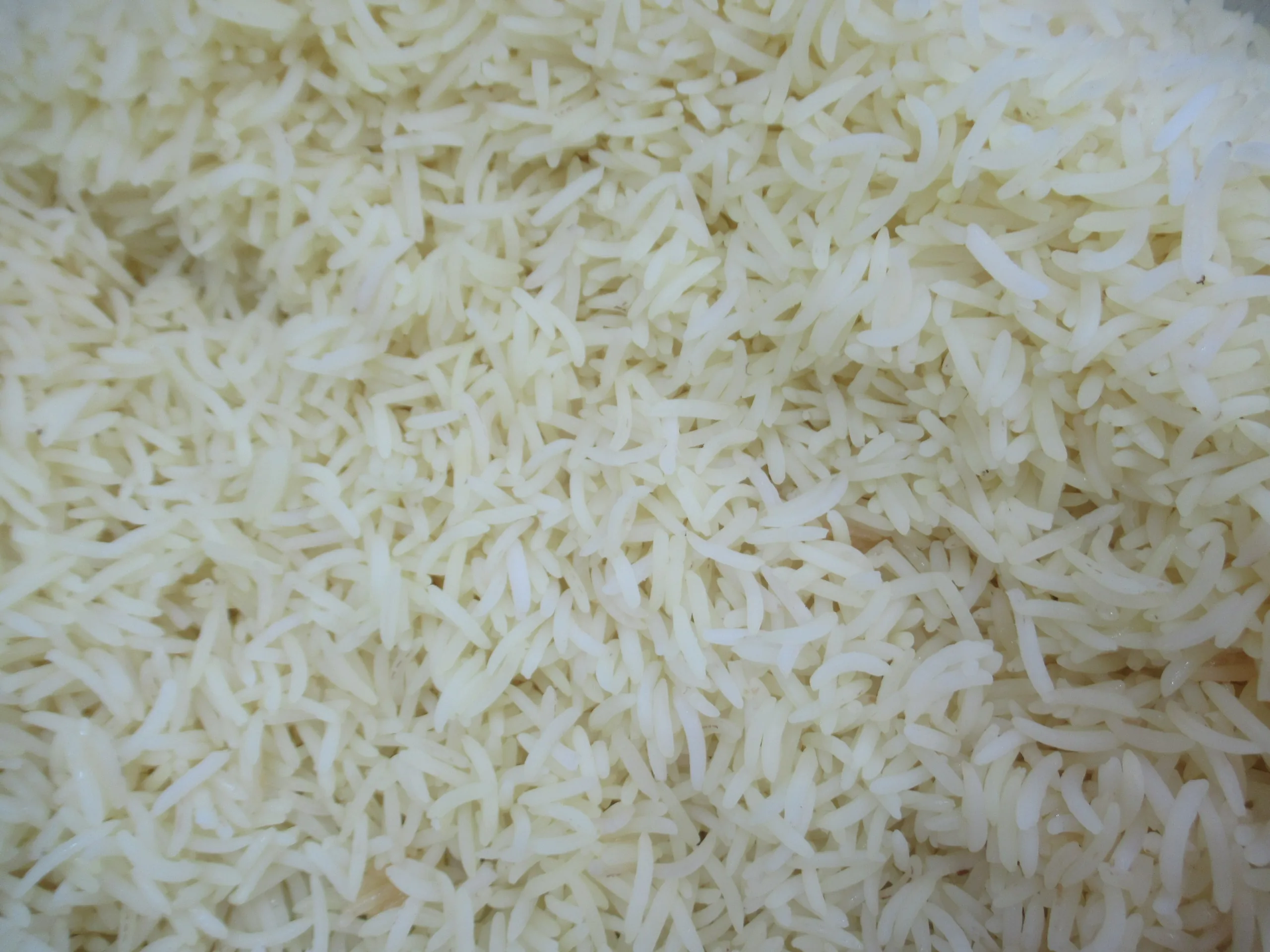
Vadi Matta has an earthy, nutty taste and holds up well with wet curries. Basmati's aroma and elongation make it the preferred rice for biryani and pulao. Vadi Matta needs longer soaking and cooking than Basmati.
Who buys each?
Vadi Matta demand comes mainly from Kerala and South Indian communities and the shops and restaurants that serve them. Basmati has a much broader international market across the Middle East, Europe and beyond, from food-service to premium retail.
Specifications differ too
For Vadi Matta, buyers focus on grain form (Vadi or Unda), colour and polish, moisture, broken percentage and foreign matter.
For Basmati, buyers add variety, processing form, average grain length, ageing and — for some markets — strict pesticide residue limits.
In both cases, agree measurable parameters rather than relying on names. Our guide to rice moisture and broken percentage explains two of the most important.
How to choose
Choose by customer, not by price alone. If your customers cook Kerala-style meals, Vadi Matta is the expected rice. If they cook biryani or want premium long-grain rice, Basmati is the natural choice. Many distributors serving South Asian communities stock both.
Explore Vadi Matta and Basmati, or request a rice quotation.
Sources and Further Reading
This article is general information for commercial buyers. It is not legal, customs, tax or financial advice. Regulations change — confirm current requirements with the relevant authority.