Nutmeg
Whole nutmeg, in shell or shelled, specified by size and soundness with testing agreed for your market.
View NutmegGlobal TradeTrusted PartnershipSustainable Growth

Spices · Whole mace
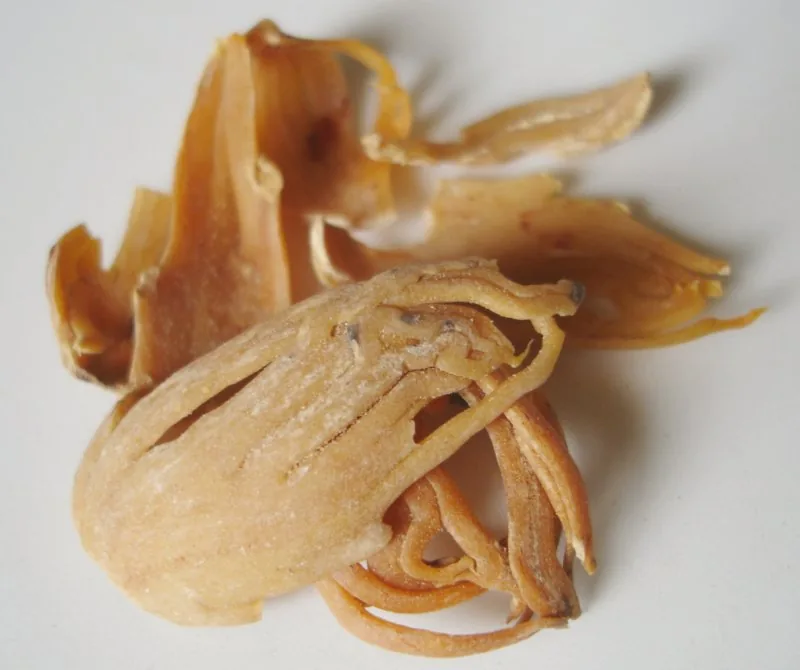
Mace is the delicate, lace-like aril that wraps the nutmeg seed. Dried separately, it is a distinct spice with its own grading and price. We handle wholesale and export enquiries for whole Indian mace.
Request Product Specifications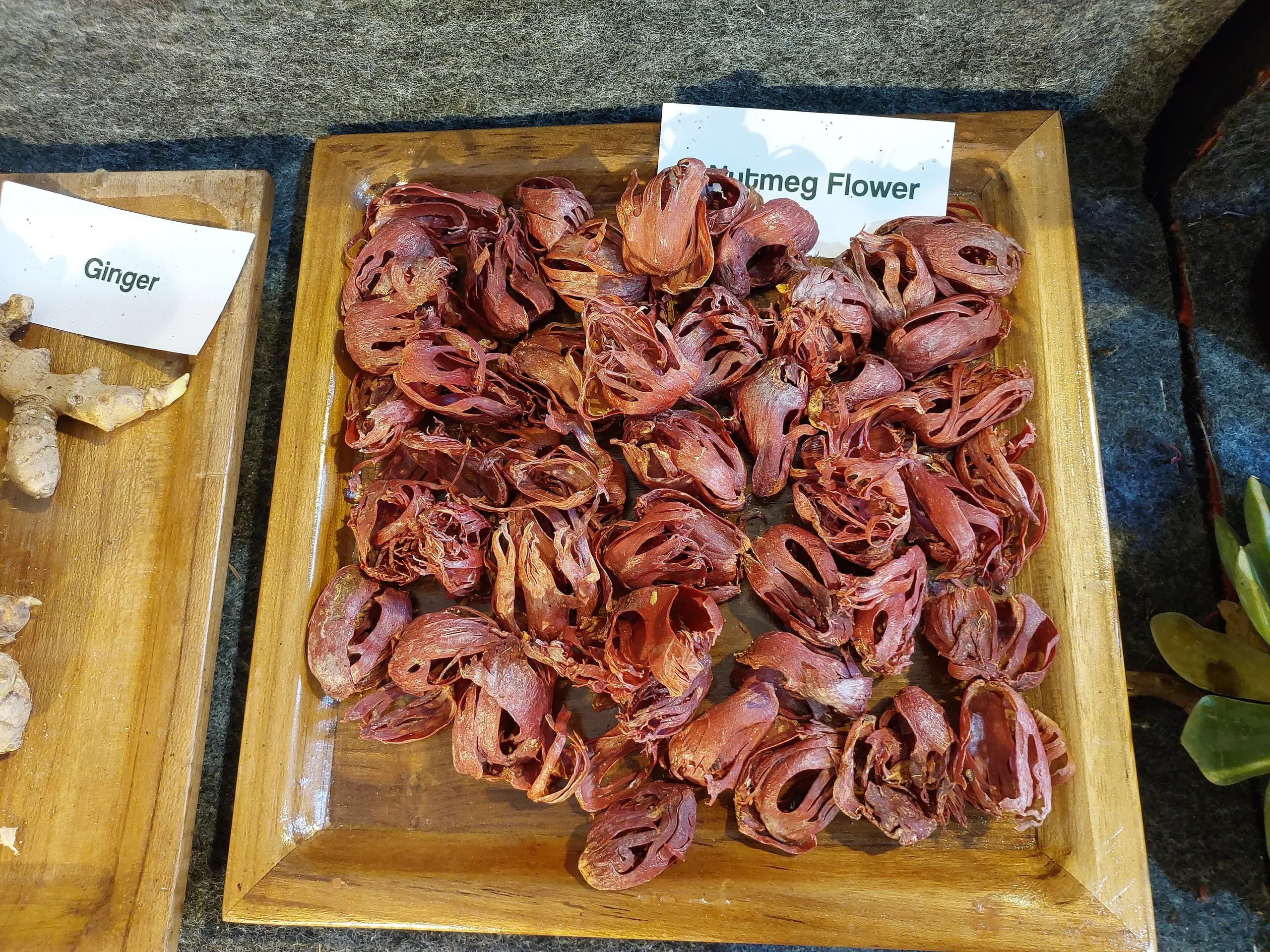
At a glance
01
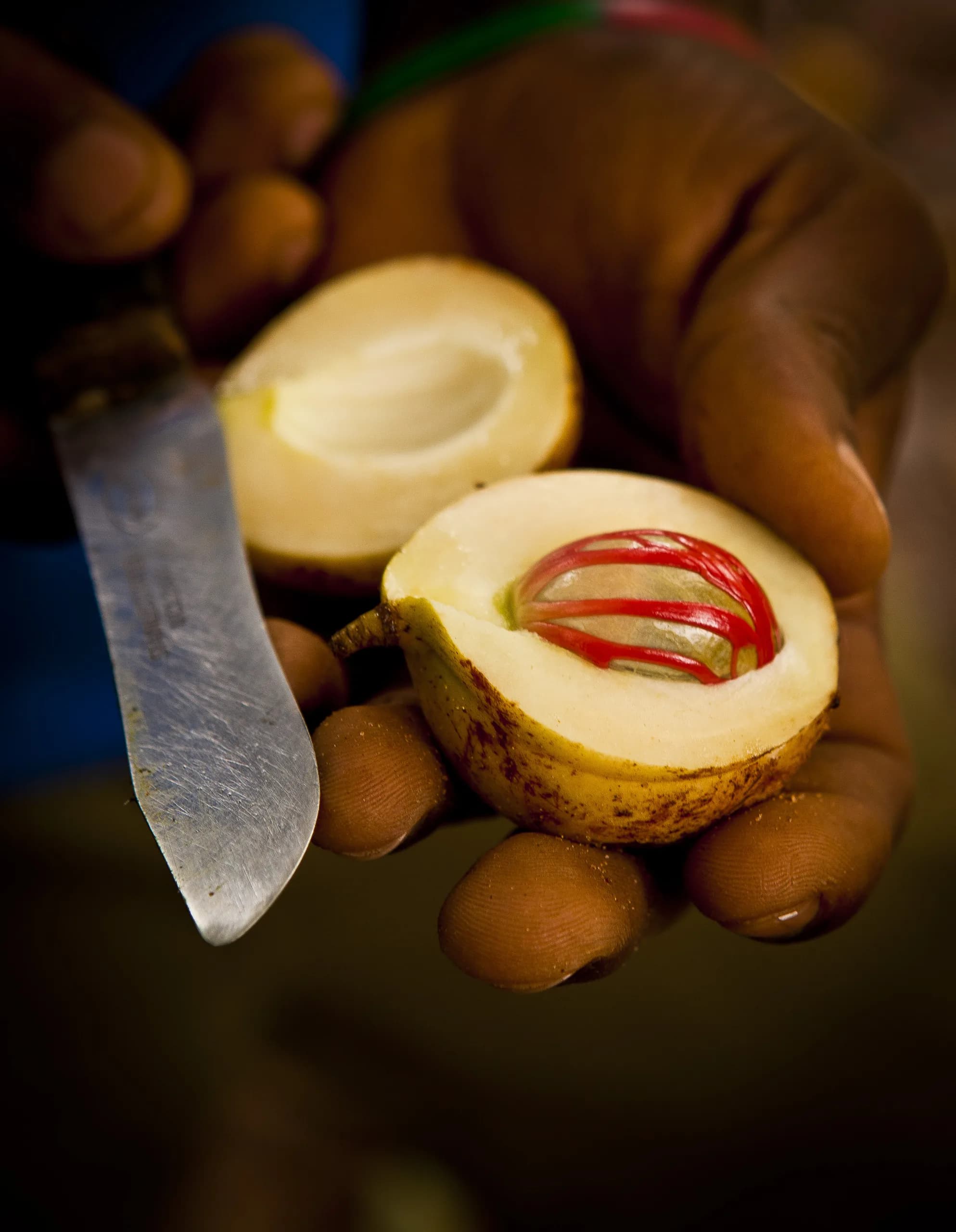
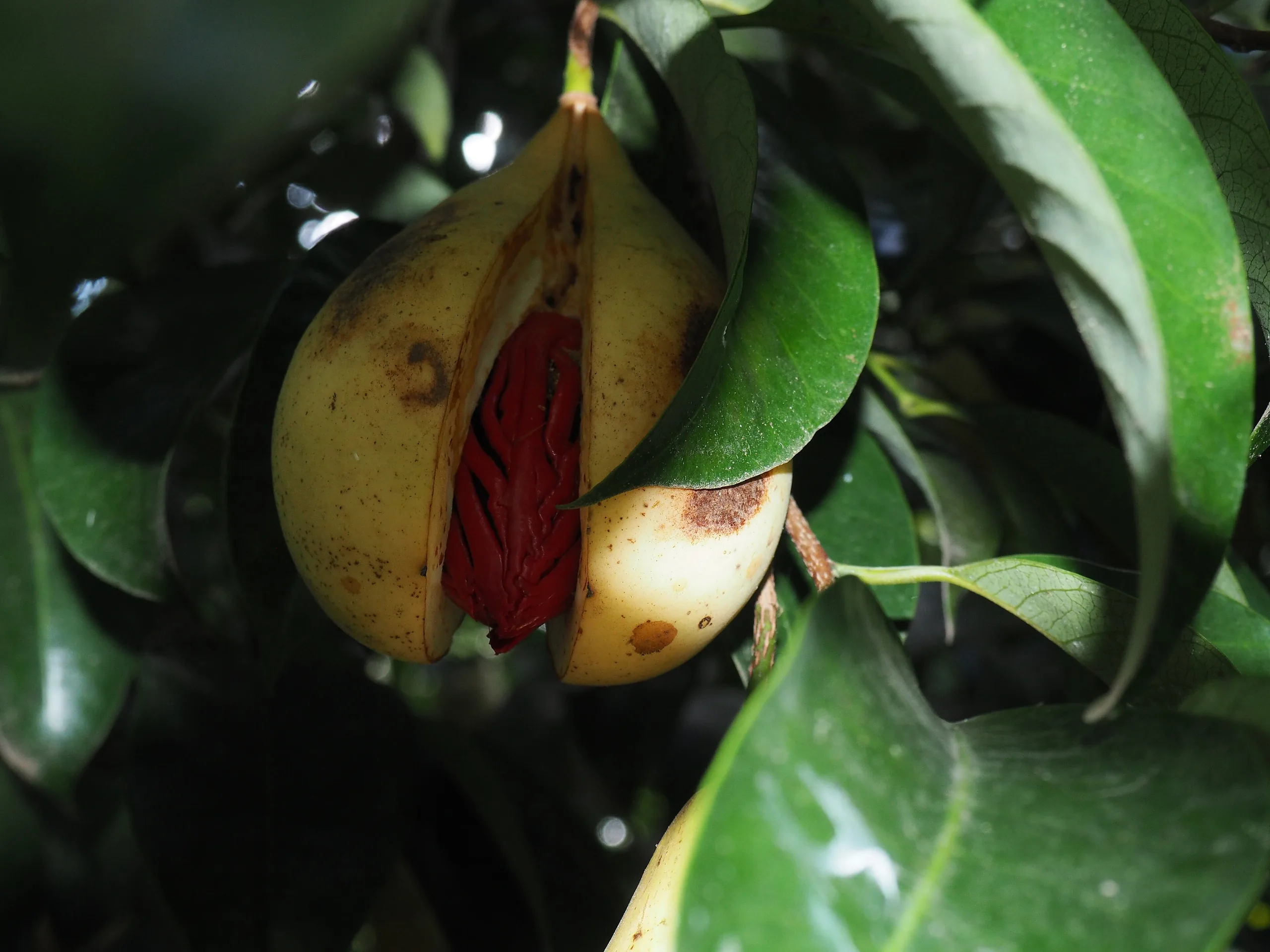
Mace comes from the same fruit as nutmeg. When the ripe fruit splits, the seed is found wrapped in a bright red, net-like aril. This aril is carefully removed, flattened and dried to become mace, while the seed is dried separately to become nutmeg.
Because each fruit yields only a small amount of mace compared with nutmeg, mace is generally the higher-value product by weight. It has a flavour related to nutmeg but is often described as more delicate.
02
Mace is traded mainly as whole blades — the dried aril pieces, flattened during drying. Broken mace (smaller fragments) is usually priced lower and suits grinding.
Ground mace can be discussed on request, subject to supplier capability and testing.
03
Fresh mace is crimson. As it dries it changes towards red-orange, orange or yellowish-brown, depending on the origin, drying method and age. Different markets prefer different colours, so the expected colour range should be agreed in the specification rather than assumed.
Aroma comes from volatile oils and fades with poor storage. Buyers also look at wholeness of the blades, cleanliness and moisture.
| Parameter | What to confirm |
|---|---|
| Colour | Expected colour range of the dried blades, from red to orange or yellowish tones. |
| Wholeness | Proportion of whole blades versus broken pieces. |
| Moisture | Maximum moisture to be agreed. |
| Foreign matter | Tolerance for shell fragments, dust and extraneous matter. |
| Food safety | Aflatoxin, pesticide residue and microbiological testing as your market requires. |
04
Mace is light and fragile. Bulk mace is commonly packed in lined bags or cartons to protect the blades and limit moisture uptake. Bag or carton weights and markings are agreed per order. See packaging options for private-label requests.
05
Like nutmeg, mace can be affected by moulds that produce aflatoxins if drying and storage are poor, and the European Union sets maximum aflatoxin levels for certain spices including mace. Pesticide residue and microbiological testing may also be required by your market.
Testing is arranged through accredited third-party laboratories where agreed, and results are documented before shipment. We do not guarantee test outcomes in advance.
Enquire
Share your colour preference, format, quantity, packing, destination and testing requirements.
Buyer questions
Mace is the dried aril — the lace-like red covering — of the nutmeg seed. It is removed from the seed and dried separately, becoming a distinct spice.
Mace is crimson when fresh and changes colour as it dries and ages. Origin, drying method and storage all influence the final colour, which is why colour should be agreed in the specification.
Whole mace consists of intact dried blades; broken mace consists of smaller fragments. Broken mace is usually priced lower and is suited to grinding.
Often, yes. Many markets — including the EU — set aflatoxin limits for spices such as mace. Testing by an accredited laboratory can be arranged before shipment where agreed.
Typically in lined bags or cartons to protect the fragile blades from breakage and moisture. Details are agreed per order.
Yes, you can enquire about both in a single request. Each is specified, quoted and packed separately.
Use the quote form or WhatsApp, with colour, format, quantity, destination and testing requirements.
Explore further
Whole nutmeg, in shell or shelled, specified by size and soundness with testing agreed for your market.
View Nutmeg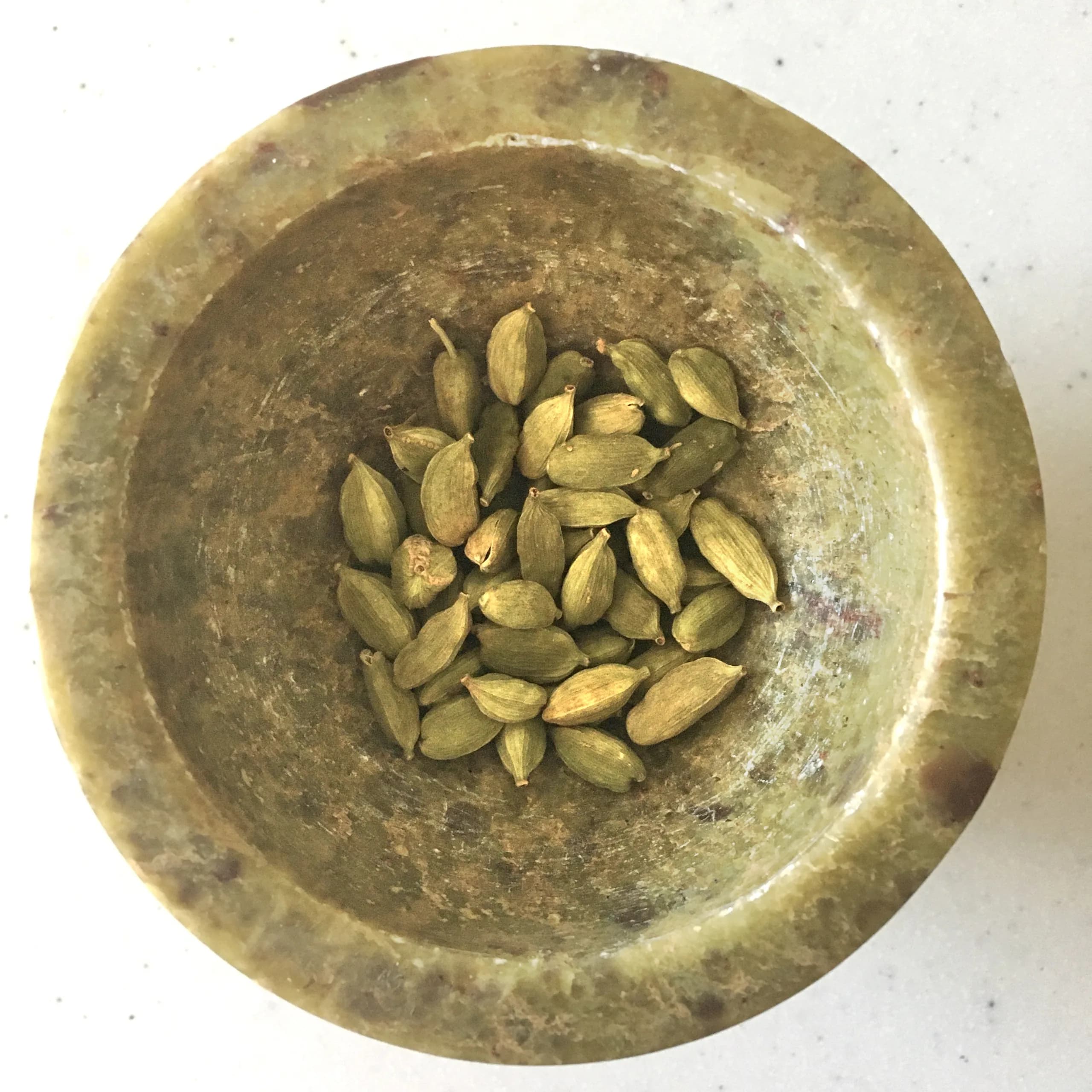
Whole green cardamom pods traded by size and colour. Grade, moisture and packing agreed for each bulk enquiry.
View Cardamom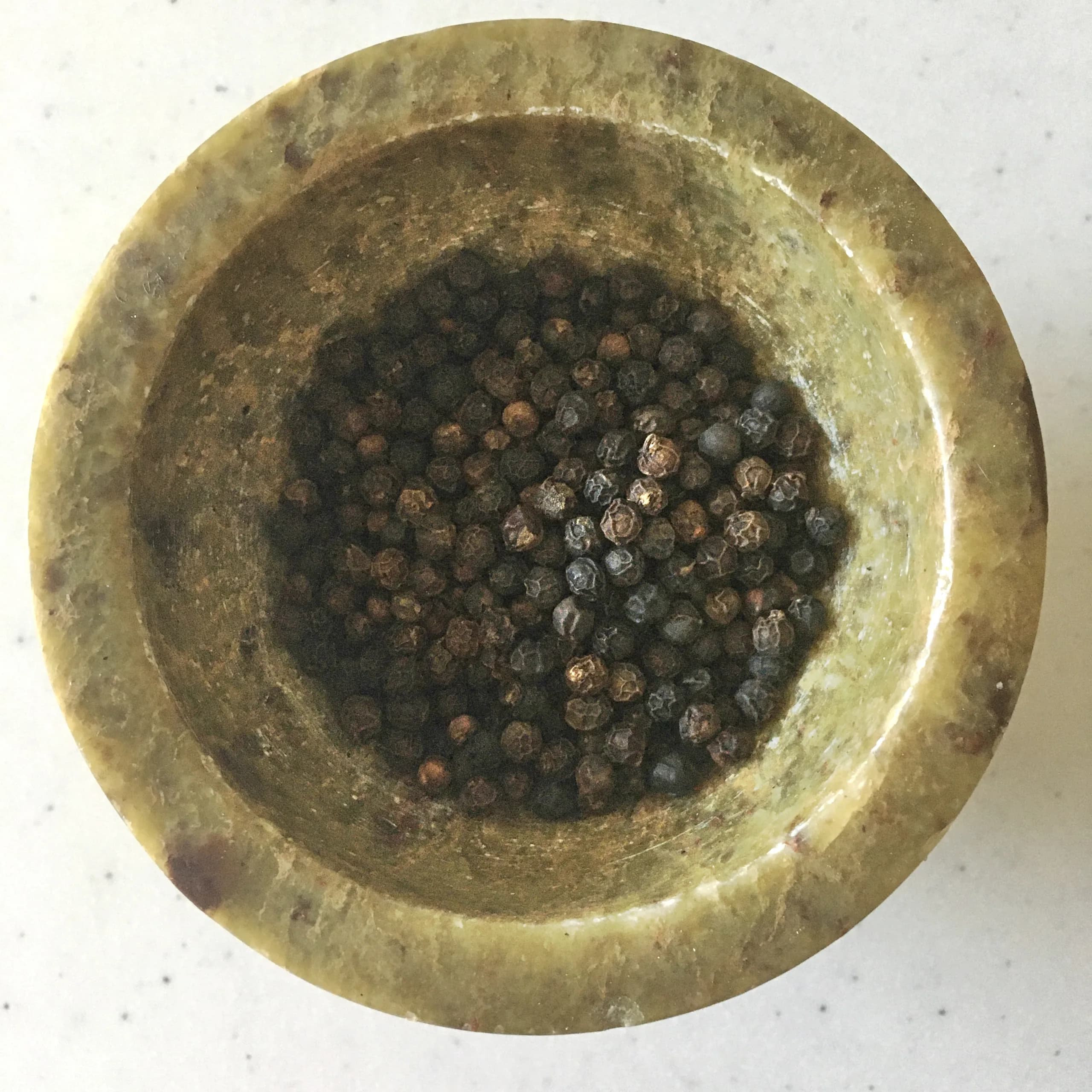
Whole black peppercorns specified by grade, bulk density and moisture for spice processors, packers and importers.
View Black PepperInsights
Spices · 3 min read
One fruit, two spices. How mace and nutmeg differ in form, flavour, use, grading and price — and how to choose.
Spices · 3 min read
Pod size, colour, litre weight and testing — how Indian green cardamom is graded and what to agree before you buy in bulk.
Buyer Guides · 3 min read
A clear RFQ gets you faster, more accurate and more comparable quotations. Here is the checklist we recommend.