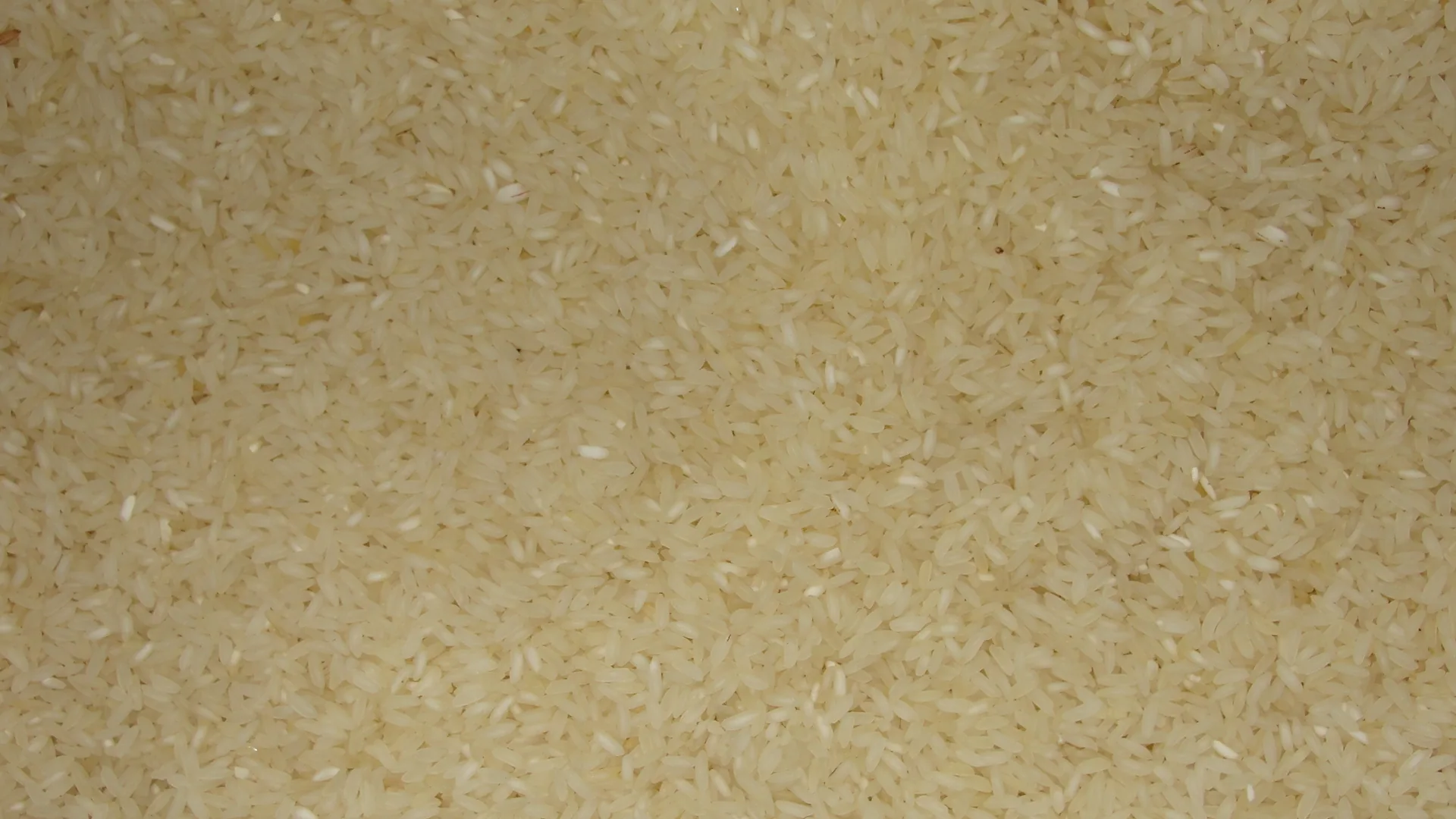
IR 64 Rice
A widely traded non-Basmati long-grain rice, offered raw or parboiled in grades defined by broken percentage.
View IR 64 RiceGlobal TradeTrusted PartnershipSustainable Growth

Rice · Parboiled
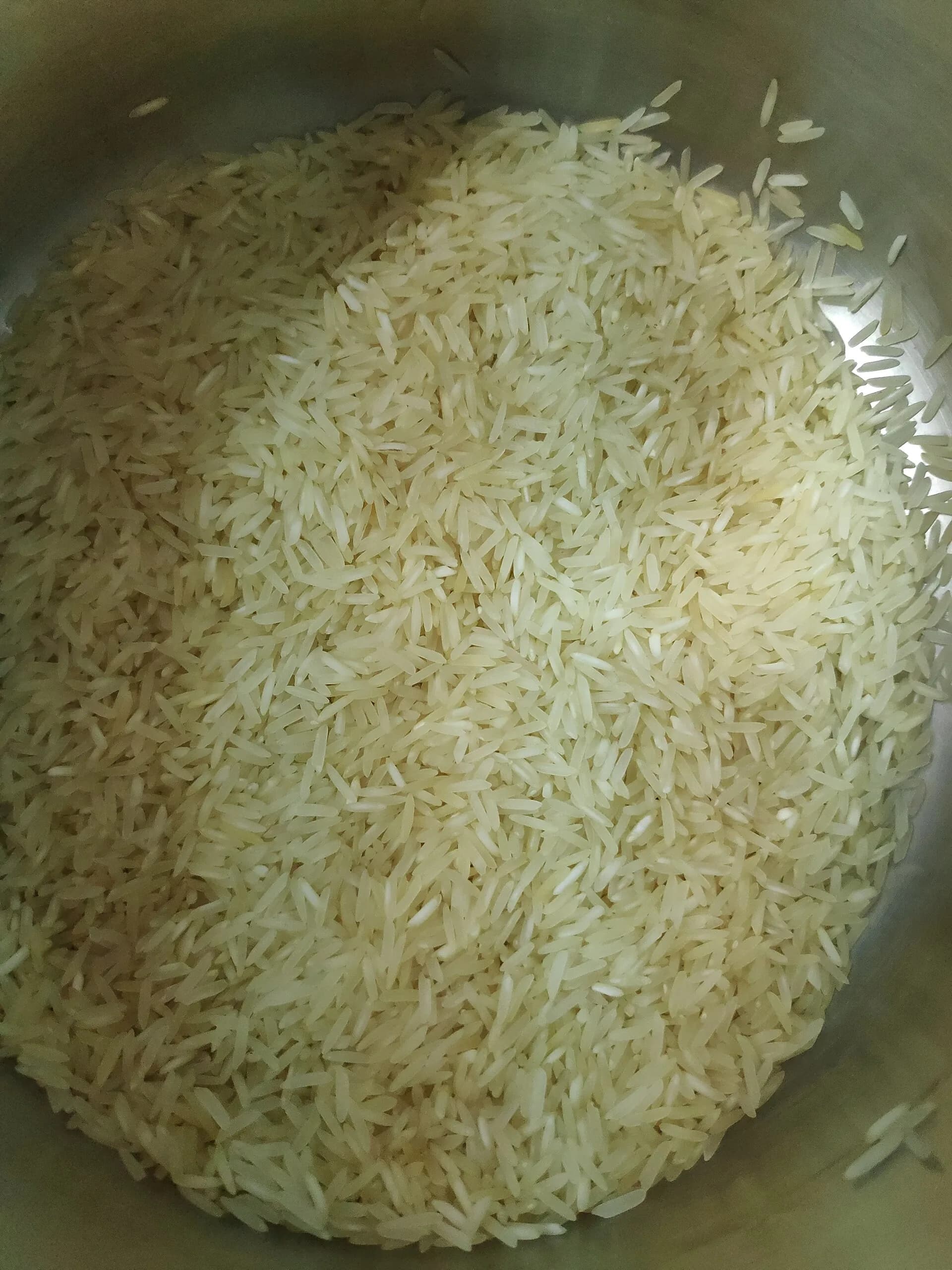
Parboiled rice is partially cooked in its husk before milling. The result is a firm, separate grain that holds up well in large-scale cooking. We handle bulk and export enquiries for Indian parboiled rice.
Request Product Specifications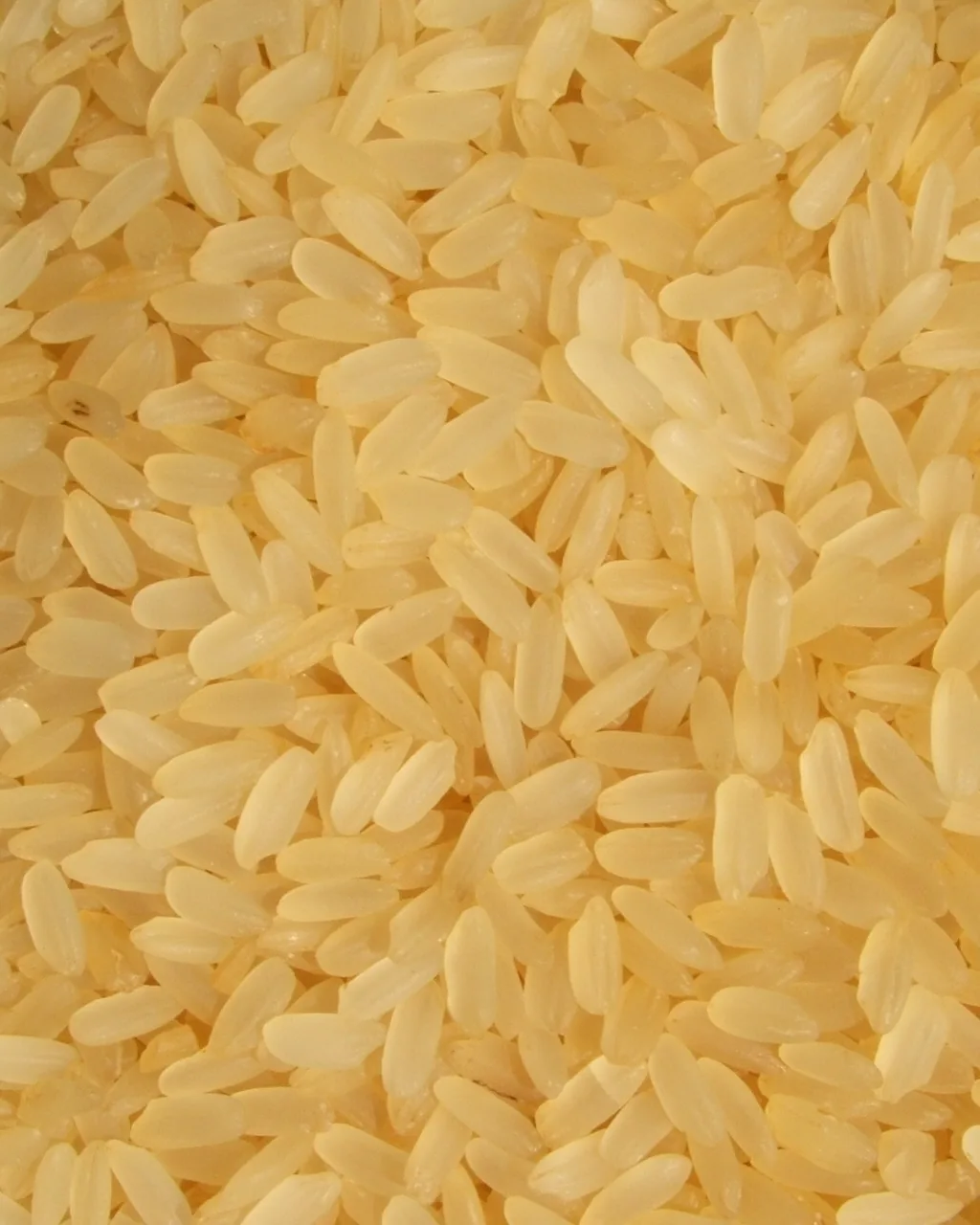
At a glance
01
Parboiled rice is rice that has been soaked, steamed and dried in its husk before milling. The steaming gelatinises the starch inside the grain, and some water-soluble nutrients move from the bran into the endosperm before milling removes the bran.
Parboiling is a processing method, not a variety. Many rice varieties can be parboiled — in India, parboiling is applied to non-Basmati long-grain types such as IR 64, to regional varieties, and to Basmati (where the parboiled form is called sella). Kerala's Vadi Matta rice is also usually parboiled.
02
Compared with raw (white) rice of the same variety, parboiled rice usually:
It generally takes a little longer to cook than raw rice of the same variety.
03
Parboiled rice is graded mainly by broken percentage, with additional limits for moisture, damaged or discoloured grains and foreign matter. These parameters are agreed in measurable terms before the quotation is finalised. Read more on rice moisture and broken percentage.
| Parameter | What to confirm |
|---|---|
| Base variety | The rice variety parboiled (for example IR 64 or another long-grain type). |
| Colour | Cream to light golden; agree the acceptable colour range. |
| Broken percentage | Maximum broken grains by weight. |
| Moisture | Maximum moisture content. |
| Damaged / discoloured grains | Maximum percentage of black, damaged or discoloured grains. |
| Foreign matter | Maximum stones, paddy and extraneous matter. |
04
Parboiled rice is commonly shipped in woven polypropylene bags, with bag weights and markings agreed per order. We confirm the variety, grade, quantity and shipment window with millers before preparing a quotation.
India's rice export policy has changed several times in recent years, including duties or restrictions on certain non-Basmati categories. The policy in force at the time of contracting is checked as part of every quotation.
05
Typical shipment documents include a commercial invoice, packing list, transport document and certificate of origin, and many destinations require a phytosanitary certificate. Some markets also require fumigation, quality or residue certificates.
The exact list is confirmed for each shipment and written into the contract. See our introduction to export documentation.
Enquire
Share base variety, grade, quantity, packing, destination and trade term.
Buyer questions
No. Parboiling is a processing method that can be applied to many varieties, including IR 64 and Basmati (sella).
Soaking and steaming in the husk changes the grain's colour, giving a cream to light golden tone. The depth of colour depends on the process.
Generally yes. Parboiling hardens the grain, so it usually breaks less during milling and holds its shape during cooking.
Parboiled rice is widely eaten in parts of Africa, the Middle East and South Asia, and is common in food-service and catering.
Base variety, colour, broken percentage, moisture, damaged or discoloured grains and foreign matter, plus any testing your market requires.
Usually in woven polypropylene bags. Bag weights and markings are agreed per order.
Use the quote form with variety, grade, quantity, packing and destination.
Explore further
A widely traded non-Basmati long-grain rice, offered raw or parboiled in grades defined by broken percentage.
View IR 64 Rice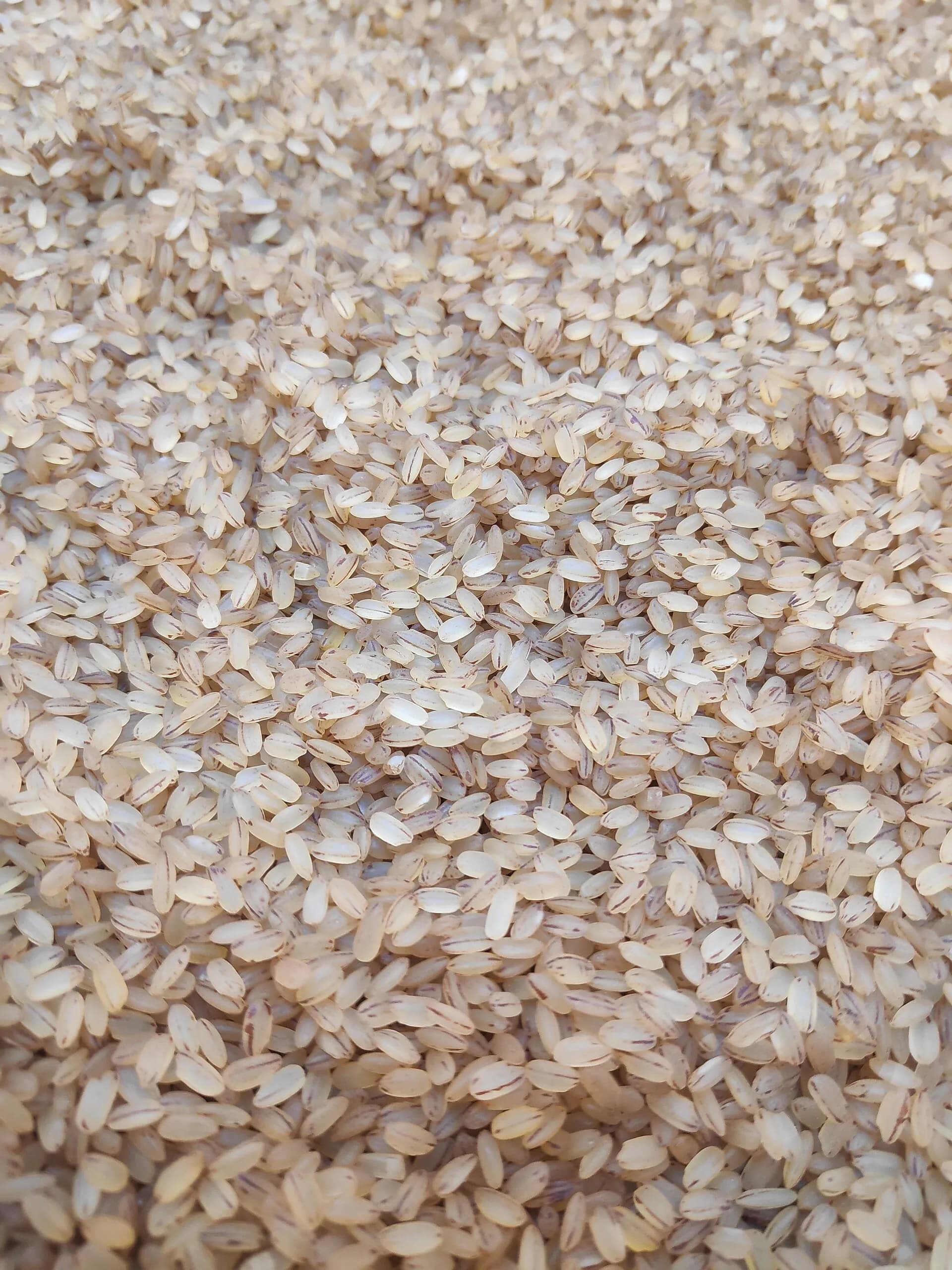
Kerala's reddish, bold-grained parboiled rice with an earthy flavour — a staple for Kerala-style meals at home and abroad.
View Vadi Matta Rice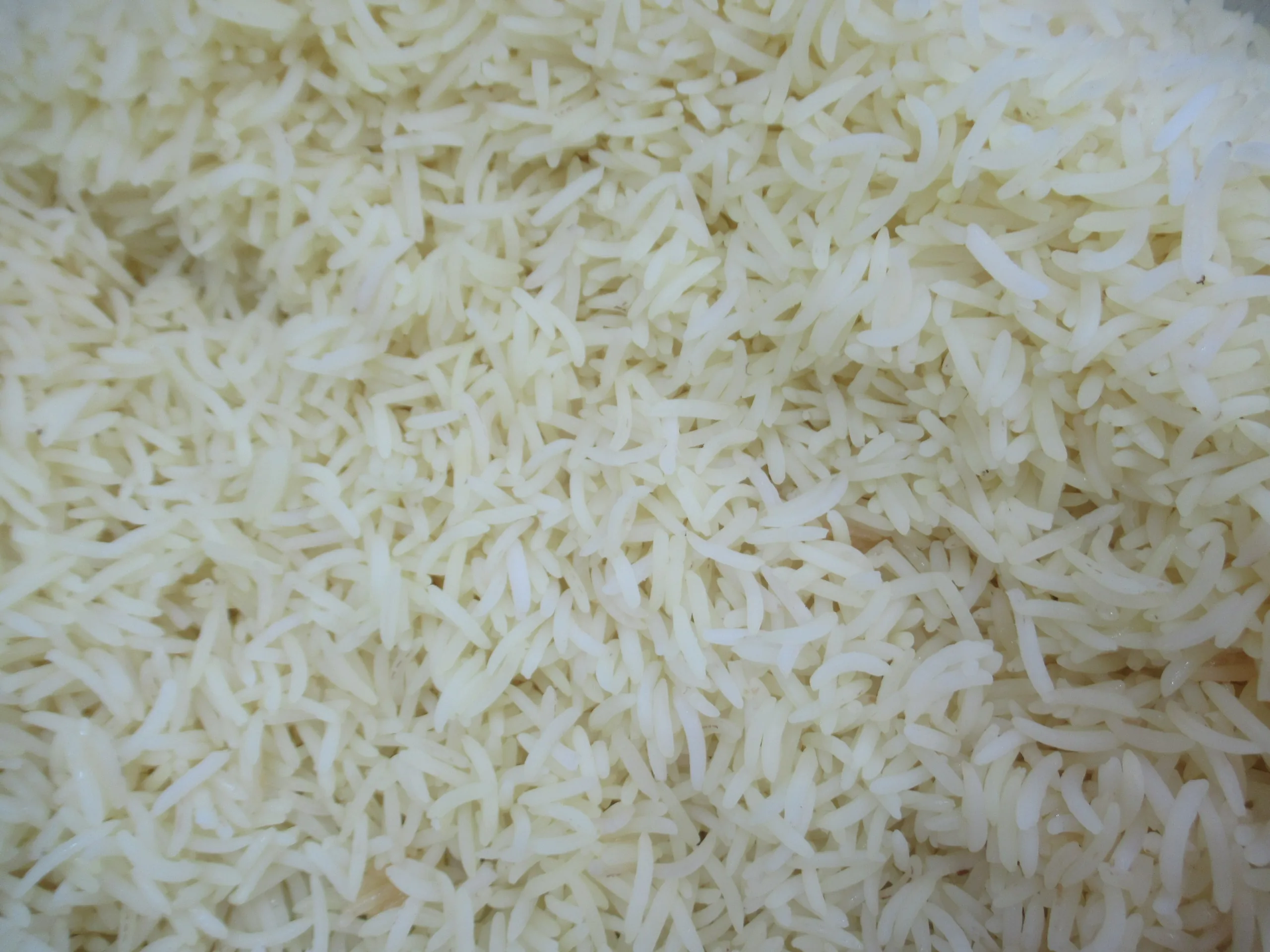
Long, slender aromatic grains that lengthen on cooking. Variety, processing and grade confirmed for each enquiry.
View Basmati RiceInsights
Quality & Packaging · 3 min read
Two numbers shape the value of almost every rice contract. What they mean, why they matter and how to specify them properly.
Quality & Packaging · 3 min read
From 50 kg woven bags to printed retail packs — the packaging decisions rice buyers face and what to confirm with the packer.

Export Guides · 3 min read
Commercial invoices, bills of lading, certificates of origin, phytosanitary certificates — what each document does and who issues it.